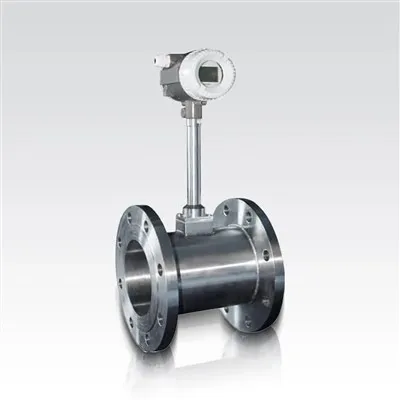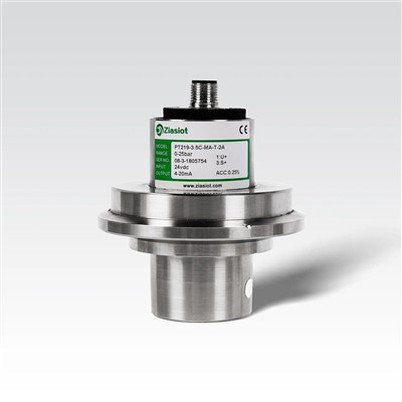

What is the thermal sensitivity shift of MEMS pressure transmitters?
Leave a message

Hey there! As a supplier of MEMS pressure transmitters, I often get asked about the thermal sensitivity shift of these nifty devices. So, let's dive right in and break it down in a way that's easy to understand.
First off, what are MEMS pressure transmitters? Well, MEMS stands for Micro-Electro-Mechanical Systems. These are super tiny devices that combine mechanical and electrical components on a microscopic scale. MEMS pressure transmitters are used to measure pressure in a wide range of applications, from industrial processes to automotive systems and even medical devices.
Now, let's talk about thermal sensitivity shift. In simple terms, thermal sensitivity shift refers to how the performance of a MEMS pressure transmitter changes with temperature. You see, temperature can have a big impact on the accuracy of these sensors. As the temperature goes up or down, the materials inside the sensor expand or contract, which can cause changes in the electrical output of the sensor.
This change in output can lead to errors in pressure measurement. For example, if you're using a MEMS pressure transmitter to measure the pressure in a chemical reactor, and the temperature inside the reactor changes, the thermal sensitivity shift could cause the sensor to give an inaccurate reading. This could have serious consequences, such as over - or under - pressurizing the reactor, which could lead to safety hazards or poor product quality.
So, what causes thermal sensitivity shift in MEMS pressure transmitters? There are a few factors at play here. One of the main causes is the difference in the thermal expansion coefficients of the materials used in the sensor. Different materials expand and contract at different rates when the temperature changes. For instance, the silicon used in many MEMS pressure sensors has a different thermal expansion coefficient compared to the metal electrodes or the packaging materials. This mismatch can cause mechanical stress on the sensor, which in turn affects its electrical properties.
Another factor is the temperature dependence of the electrical properties of the materials. The resistance, capacitance, and other electrical characteristics of the components in the MEMS pressure transmitter can change with temperature. For example, the resistance of a piezoresistive element, which is commonly used in MEMS pressure sensors to convert pressure into an electrical signal, can vary with temperature. This variation can lead to a shift in the output of the sensor.
Now, as a supplier of MEMS pressure transmitters, we're well aware of these issues. That's why we take several steps to minimize thermal sensitivity shift. One approach is to use materials with similar thermal expansion coefficients. By carefully selecting the materials for the sensor and its packaging, we can reduce the mechanical stress caused by temperature changes.
We also use temperature compensation techniques. These can involve adding additional components to the sensor circuit that can adjust the output of the sensor based on the temperature. For example, we might use a thermistor, which is a temperature - sensitive resistor, to measure the temperature and then use a compensation algorithm to correct the pressure reading.
In some cases, we can also design the sensor structure in a way that is more resistant to temperature changes. For example, we can use a diaphragm design that is less affected by thermal expansion and contraction. This can help to maintain the accuracy of the sensor over a wider temperature range.
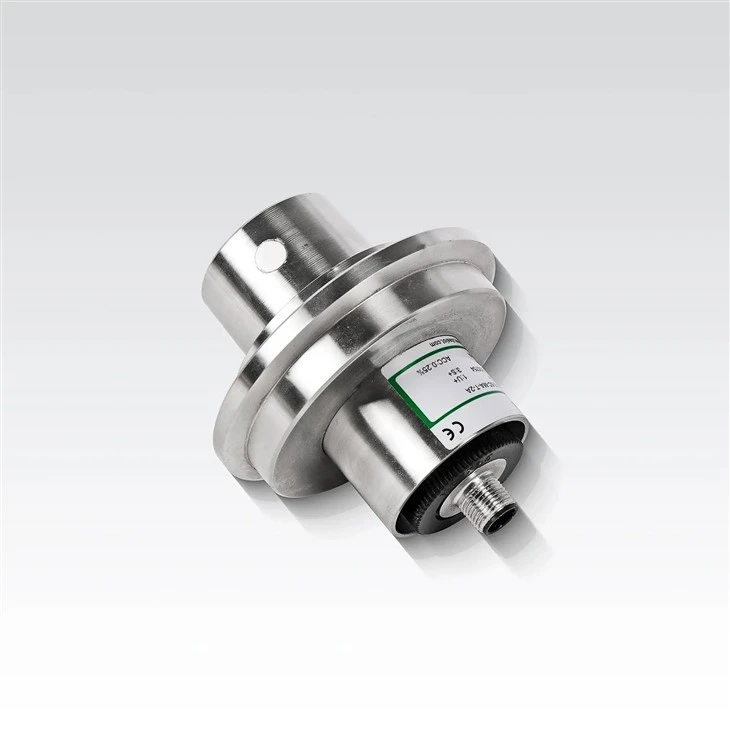
Let's take a look at an example of how MEMS pressure transmitters are used in a specific application: shield tunneling machines. MEMS Pressure Sensor for Shield Tunneling Machine These machines are used to dig tunnels, and accurate pressure measurement is crucial for their safe and efficient operation. The MEMS pressure transmitters used in shield tunneling machines need to be able to withstand the harsh environment inside the tunnel, which includes high temperatures, vibrations, and pressure fluctuations.
The thermal sensitivity shift of these sensors can be a real challenge in this application. If the sensors give inaccurate pressure readings due to temperature changes, it could lead to problems such as uneven tunneling, which could damage the tunnel lining or cause safety issues for the workers. That's why we make sure that our MEMS pressure transmitters for shield tunneling machines are designed to have low thermal sensitivity shift and high reliability.
In addition to the technical solutions, we also provide comprehensive testing and calibration services. Before we ship out our MEMS pressure transmitters, we test them at different temperatures to ensure that they meet the specified accuracy requirements. We also offer calibration services to our customers to help them maintain the accuracy of the sensors over time.
If you're in the market for MEMS pressure transmitters, it's important to consider the thermal sensitivity shift of the sensors. You want to choose a supplier who understands these issues and has the expertise to provide high - quality, temperature - stable sensors.
We're here to help you with all your MEMS pressure transmitter needs. Whether you're working on a small - scale project or a large - scale industrial application, we can provide you with the right sensors and support. If you have any questions or if you're interested in discussing a potential purchase, don't hesitate to get in touch with us. We're always happy to have a chat and see how we can meet your requirements.
In conclusion, thermal sensitivity shift is an important consideration when it comes to MEMS pressure transmitters. It can affect the accuracy and reliability of these sensors, but with the right design, materials, and compensation techniques, we can minimize its impact. As a supplier, we're committed to providing our customers with high - performance MEMS pressure transmitters that can operate accurately in a wide range of temperature conditions.
References

- "MEMS Technology: Fundamentals and Applications" by some author.
- "Pressure Sensors: Principles and Applications" by another author.