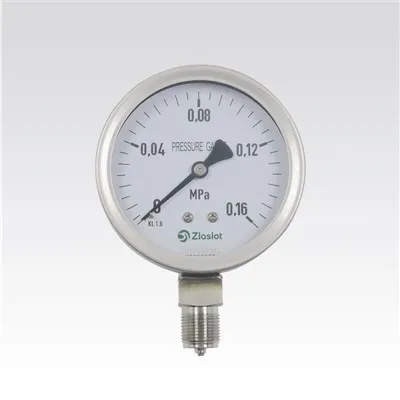

What is the overload capacity of a Compact Pressure Transmitter?
Leave a message

When it comes to the world of industrial instrumentation, compact pressure transmitters are indispensable devices. They play a crucial role in accurately measuring pressure in a wide range of applications, from manufacturing plants to oil and gas refineries. One of the key performance indicators of a compact pressure transmitter is its overload capacity. In this blog post, as a supplier of compact pressure transmitters, I will delve into what overload capacity means, why it matters, and how it impacts the overall functionality of these devices.
Understanding Overload Capacity
Overload capacity refers to the maximum pressure that a compact pressure transmitter can withstand without suffering permanent damage or significant degradation in performance. It is an important specification because in real - world applications, pressure spikes can occur due to various reasons such as sudden valve closures, pump starts, or system malfunctions. These pressure spikes can far exceed the normal operating pressure range of the transmitter.
For example, in a hydraulic system, when a valve closes suddenly, the fluid flow is interrupted, causing a rapid increase in pressure. If the pressure transmitter installed in the system does not have a sufficient overload capacity, it may be damaged, leading to inaccurate readings and potentially costly downtime for the entire operation.
Importance of Overload Capacity
The importance of overload capacity cannot be overstated. A pressure transmitter with a high overload capacity provides several benefits:
Reliability
A transmitter that can withstand high - pressure spikes is more reliable. It reduces the risk of failure due to unexpected pressure surges, ensuring continuous and accurate pressure measurement. This is particularly important in critical applications where any interruption in measurement can lead to safety hazards or production losses.
Longevity
Exposure to excessive pressure can cause mechanical stress on the components of a pressure transmitter, leading to premature wear and tear. A transmitter with a proper overload capacity can handle these pressure spikes without experiencing severe damage, thereby extending its lifespan and reducing the frequency of replacements.
Cost - Efficiency
Although pressure transmitters with higher overload capacities may have a higher upfront cost, they can result in significant cost savings in the long run. By avoiding damage caused by pressure spikes, companies can reduce maintenance costs, downtime, and the cost of replacing failed transmitters.
Factors Affecting Overload Capacity
Several factors influence the overload capacity of a compact pressure transmitter:
Sensor Design
The design of the pressure sensor is a critical factor. Different types of sensors, such as piezoresistive sensors, capacitive sensors, and strain - gauge sensors, have different inherent overload capabilities. For instance, piezoresistive sensors are known for their high sensitivity but may have a relatively lower overload capacity compared to some other sensor types.
Construction Materials
The materials used in the construction of the pressure transmitter also play a role. High - strength materials can withstand greater pressure without deformation. For example, transmitters with stainless - steel housings and diaphragms are often more resistant to high - pressure overloads than those made of less robust materials.
Manufacturing Process
The precision of the manufacturing process is crucial. A well - manufactured pressure transmitter will have a more consistent and reliable overload capacity. Tight manufacturing tolerances ensure that the internal components are properly aligned and can withstand the expected pressure loads.
Measuring Overload Capacity
Overload capacity is typically specified by the manufacturer in terms of a multiple of the normal operating pressure range. For example, a pressure transmitter with a normal operating range of 0 - 100 psi and an overload capacity of 5 times the range can withstand a maximum pressure of 500 psi without permanent damage.
It is important to note that the overload capacity is usually a static value. In dynamic situations, where the pressure spike is short - lived, the transmitter may be able to withstand even higher pressures for a brief period. However, repeated exposure to high - pressure spikes close to or beyond the overload capacity can still cause damage over time.
Applications and Overload Requirements
Different applications have different overload requirements for pressure transmitters.
Oil and Gas Industry
In the oil and gas industry, pressure transmitters are often exposed to high - pressure environments. For example, in well - head applications, pressure spikes can occur during the drilling process or when opening and closing valves. A pressure transmitter used in this industry typically requires a high overload capacity, often in the range of 5 to 10 times the normal operating pressure.
Chemical Processing
Chemical processing plants also require pressure transmitters with a good overload capacity. In chemical reactors, pressure changes can occur rapidly due to chemical reactions. A transmitter with an adequate overload capacity can ensure accurate pressure measurement and prevent potential safety issues.
HVAC Systems
In heating, ventilation, and air - conditioning (HVAC) systems, the pressure changes are usually less extreme compared to the oil and gas or chemical industries. However, there can still be pressure spikes during system startup or when adjusting the airflow. A pressure transmitter with an overload capacity of 2 to 3 times the normal operating pressure is usually sufficient for these applications.
Our Compact Pressure Transmitters' Overload Capacity
As a supplier of compact pressure transmitters, we understand the importance of overload capacity in different applications. Our products are designed and manufactured to meet the high - demand for reliable pressure measurement.
We offer a wide range of compact pressure transmitters, including Explosion Proof Digital Silicon Pressure Transmitter, Absolute Pressure Transmitter, and Pressure Transmitters. These transmitters are engineered with high - quality sensors and robust construction materials to ensure a high overload capacity.
Our engineers use advanced manufacturing processes to optimize the design of the transmitters, ensuring that they can withstand pressure spikes while maintaining accurate and stable performance. Whether you are in the oil and gas industry, chemical processing, or HVAC systems, we have the right pressure transmitter to meet your overload requirements.
Conclusion
The overload capacity of a compact pressure transmitter is a critical parameter that directly affects its reliability, longevity, and cost - efficiency. Understanding the concept of overload capacity, the factors that influence it, and the specific requirements of different applications is essential for choosing the right pressure transmitter.


If you are in the market for high - quality compact pressure transmitters with excellent overload capacity, we encourage you to reach out for a detailed discussion about your specific needs. Our team of experts is ready to assist you in selecting the most suitable product for your application. Contact us today to start the procurement and negotiation process.
References
- Johnson, R. (2018). Industrial Pressure Transmitters: Principles and Applications. New York: Industrial Press.
- Smith, J. (2020). Pressure Measurement in Hazardous Environments. Houston: Gulf Professional Publishing.