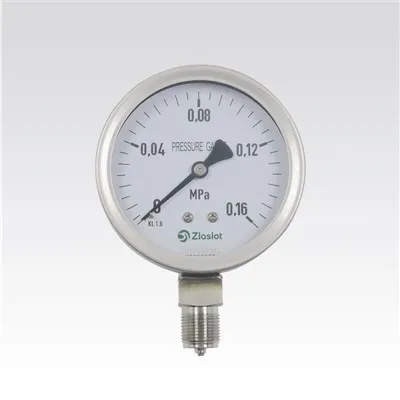

What is the dynamic response characteristic of a melt pressure gauge?
Leave a message

In the realm of industrial instrumentation, melt pressure gauges play a pivotal role in ensuring the smooth and efficient operation of various manufacturing processes, particularly those involving the handling of molten materials. As a leading supplier of melt pressure gauges, I am often asked about the dynamic response characteristic of these essential devices. In this blog post, I will delve into the intricacies of this topic, exploring what dynamic response characteristic means, why it matters, and how it impacts the performance of melt pressure gauges.
Understanding Dynamic Response Characteristic
The dynamic response characteristic of a melt pressure gauge refers to its ability to accurately and rapidly respond to changes in pressure over time. In other words, it measures how quickly and precisely the gauge can detect and display fluctuations in pressure as they occur. This characteristic is crucial in applications where pressure changes are frequent and rapid, such as in extrusion, injection molding, and other polymer processing operations.
To understand the concept of dynamic response characteristic better, let's consider a simple analogy. Imagine you are driving a car, and you need to monitor your speed using a speedometer. A speedometer with a poor dynamic response characteristic would take a long time to update the speed reading when you accelerate or decelerate, providing you with outdated information. On the other hand, a speedometer with a good dynamic response characteristic would instantly reflect any changes in speed, allowing you to make informed decisions in real-time.
Similarly, in the context of melt pressure gauges, a gauge with a poor dynamic response characteristic may not be able to keep up with rapid pressure changes, leading to inaccurate readings and potential process disruptions. In contrast, a gauge with a good dynamic response characteristic can quickly and accurately detect pressure variations, enabling operators to maintain precise control over the manufacturing process and ensure product quality.
Factors Affecting Dynamic Response Characteristic
Several factors can influence the dynamic response characteristic of a melt pressure gauge. Understanding these factors is essential for selecting the right gauge for your specific application and optimizing its performance. Here are some of the key factors to consider:
Sensor Design
The design of the pressure sensor is one of the most critical factors affecting the dynamic response characteristic of a melt pressure gauge. Different sensor technologies, such as strain gauge, piezoelectric, and capacitive sensors, have varying response times and sensitivities. For example, piezoelectric sensors are known for their fast response times and high sensitivity, making them suitable for applications requiring rapid pressure measurements. On the other hand, strain gauge sensors are more commonly used in applications where accuracy and stability are the primary concerns, but they may have a slower response time compared to piezoelectric sensors.
Diaphragm Material and Thickness
The diaphragm is a crucial component of the pressure sensor that separates the process fluid from the sensing element. The material and thickness of the diaphragm can significantly impact the dynamic response characteristic of the gauge. A thinner diaphragm generally allows for a faster response time, as it can deform more easily in response to pressure changes. However, a thinner diaphragm may also be more susceptible to damage and wear, reducing its durability and reliability. Therefore, it is essential to choose a diaphragm material and thickness that balance the need for fast response time with the requirements of the application.
Signal Conditioning and Processing
The signal conditioning and processing circuitry in the melt pressure gauge also play a vital role in determining its dynamic response characteristic. This circuitry amplifies, filters, and converts the raw sensor signal into a usable output, such as a voltage or current signal. The design and quality of the signal conditioning and processing circuitry can affect the speed and accuracy of the gauge's response. For example, a gauge with advanced signal processing algorithms can compensate for any delays or distortions in the sensor signal, improving the overall dynamic response characteristic.
Mounting and Installation
The way the melt pressure gauge is mounted and installed can also impact its dynamic response characteristic. Improper mounting can introduce mechanical vibrations or damping, which can affect the accuracy and speed of the gauge's response. It is essential to follow the manufacturer's guidelines for mounting and installation to ensure optimal performance. Additionally, the length and diameter of the pressure connection tubing can also affect the dynamic response characteristic, as longer or narrower tubing can introduce additional pressure losses and delays.
Importance of Dynamic Response Characteristic in Melt Pressure Gauges
The dynamic response characteristic of a melt pressure gauge is of utmost importance in many industrial applications, particularly those involving the processing of molten materials. Here are some of the key reasons why this characteristic matters:
Process Control and Optimization
In manufacturing processes such as extrusion and injection molding, precise control of pressure is essential for ensuring product quality and consistency. A melt pressure gauge with a good dynamic response characteristic can quickly detect any pressure variations and provide real-time feedback to the process control system. This allows operators to make timely adjustments to the process parameters, such as screw speed, temperature, and pressure, to maintain optimal operating conditions and minimize product defects.
Safety and Reliability
In applications where high pressures are involved, such as in the oil and gas industry or in high-pressure hydraulic systems, the dynamic response characteristic of the melt pressure gauge is critical for ensuring safety and reliability. A gauge with a poor dynamic response characteristic may not be able to detect sudden pressure spikes or drops, which can lead to equipment failure, leaks, or even explosions. By using a gauge with a fast and accurate dynamic response characteristic, operators can monitor the pressure closely and take appropriate action to prevent potential safety hazards.


Product Quality and Consistency
In industries such as plastics, rubber, and food processing, the quality and consistency of the final product depend on the precise control of pressure during the manufacturing process. A melt pressure gauge with a good dynamic response characteristic can help ensure that the pressure remains within the specified range, resulting in products with consistent dimensions, properties, and appearance. This is particularly important in applications where tight tolerances are required, such as in the production of medical devices or electronic components.
Our Range of Melt Pressure Gauges
As a leading supplier of melt pressure gauges, we offer a wide range of products designed to meet the diverse needs of our customers. Our gauges are known for their high accuracy, reliability, and excellent dynamic response characteristic, making them suitable for a variety of applications in different industries.
High Temperature Mechanical Melt Presssure Gauges
Our high temperature mechanical melt pressure gauges are specifically designed for use in applications where high temperatures are involved. These gauges feature a robust construction and a special diaphragm material that can withstand temperatures up to [X] degrees Celsius. They offer a fast and accurate dynamic response characteristic, ensuring reliable pressure measurements even in harsh environments.
Digital Melt Presssure Gauges
Our digital melt pressure gauges provide a high level of accuracy and precision, thanks to their advanced digital signal processing technology. These gauges offer a wide range of features, such as programmable alarms, data logging, and remote monitoring, making them ideal for applications where real-time pressure monitoring and control are required. They also have a fast dynamic response characteristic, allowing for quick and accurate detection of pressure changes.
Vacuum Digital Pressure Gauge
Our vacuum digital pressure gauges are designed for use in applications where vacuum pressures need to be measured accurately. These gauges feature a high sensitivity and a fast dynamic response characteristic, enabling them to detect even the slightest changes in vacuum pressure. They are suitable for a variety of applications, such as in vacuum packaging, semiconductor manufacturing, and vacuum distillation.
Conclusion
In conclusion, the dynamic response characteristic of a melt pressure gauge is a crucial factor that determines its performance and suitability for different applications. By understanding the concept of dynamic response characteristic and the factors that affect it, you can make an informed decision when selecting a melt pressure gauge for your specific needs. At [Supplier Name], we are committed to providing our customers with high-quality melt pressure gauges that offer excellent dynamic response characteristic, accuracy, and reliability. If you have any questions or need further information about our products, please do not hesitate to [Contact Method]. We look forward to working with you to meet your melt pressure measurement needs.
References
- [Author Last Name, First Name]. [Book Title]. [Publisher Name], [Publication Year].
- [Author Last Name, First Name]. "[Article Title]." [Journal Name], Vol. [Volume Number], No. [Issue Number], [Publication Date], pp. [Page Range].
- [Website Name]. "[Webpage Title]." [URL]. Accessed [Date Accessed].