
What are the safety precautions when using melt pressure gauges?
Leave a message

Hey there! As a supplier of Melt Pressure Gauges, I've seen firsthand the importance of safety when using these nifty devices. Melt pressure gauges are crucial in various industries, from plastics manufacturing to food processing, where they help monitor and control the pressure of molten materials. But like any piece of equipment, they come with their own set of safety precautions. Let's dive into what you need to know to use melt pressure gauges safely.
1. Pre - Use Inspection
Before you even think about using a melt pressure gauge, you gotta do a thorough pre - use inspection. First off, check the physical condition of the gauge. Look for any signs of damage, like cracks in the housing or a bent needle. A damaged gauge can give inaccurate readings, which can lead to all sorts of problems down the line.
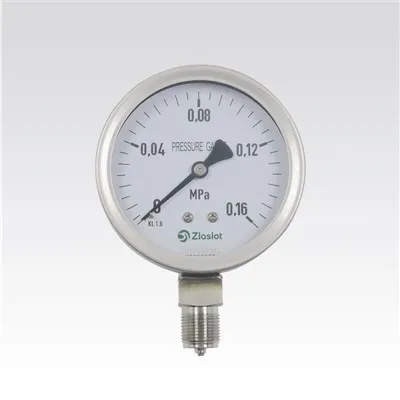
Also, make sure the connections are tight. Loose connections can cause leaks, which not only waste the molten material but can also be a safety hazard. If you're using a Mechanical Presssure Gauge, check the mechanical components for any signs of wear and tear. For Digital Melt Presssure Gauges, ensure the display is clear and functioning properly.
2. Installation
Proper installation is key to the safe use of melt pressure gauges. First, choose the right location. The gauge should be installed in a place where it can accurately measure the pressure of the molten material. Avoid areas with excessive vibration or extreme temperatures that could affect the gauge's performance.
When installing, follow the manufacturer's instructions carefully. Use the correct tools and fittings to ensure a secure and leak - free installation. If you're not confident in your installation skills, it's always a good idea to hire a professional. Incorrect installation can lead to inaccurate readings, leaks, or even damage to the gauge.
3. Operating Conditions
Understanding the operating conditions of your melt pressure gauge is essential for safety. Each gauge has a specific range of pressure and temperature it can handle. Make sure you don't exceed these limits. Overloading the gauge can cause it to malfunction or even explode, which is obviously a big no - no.
Keep an eye on the temperature of the molten material. High temperatures can affect the accuracy of the gauge and may also damage its internal components. If the temperature is too high, consider using a cooling device or choosing a gauge that can withstand higher temperatures, like our Vacuum Digital Pressure Gauge which is designed to work in a variety of conditions.
4. Maintenance
Regular maintenance is crucial for the safe and accurate operation of melt pressure gauges. Clean the gauge regularly to prevent the build - up of debris or molten material. Use a soft cloth and a mild cleaning solution, and make sure to dry the gauge thoroughly before using it again.
Calibrate the gauge regularly. Over time, the accuracy of the gauge can drift, so it's important to have it calibrated by a qualified technician at least once a year. This will ensure that the readings are accurate and reliable.
Check the seals and gaskets periodically. Worn - out seals can cause leaks, so replace them as soon as you notice any signs of damage.
5. Training
Make sure that anyone who uses the melt pressure gauge is properly trained. They should know how to install, operate, and maintain the gauge safely. Training should cover topics like pre - use inspection, installation procedures, operating limits, and maintenance requirements.
A well - trained operator is less likely to make mistakes that could lead to safety issues. Provide ongoing training to keep your employees up - to - date on the latest safety practices and any changes in the gauge's operation.
6. Emergency Procedures
Even with all the precautions in place, emergencies can still happen. That's why it's important to have emergency procedures in place. In case of a leak or malfunction, employees should know what to do.
Have a plan for shutting down the equipment safely. This may involve turning off the power supply, closing valves, or taking other appropriate actions. Make sure that all employees know where the emergency shut - off switches are located.
Provide personal protective equipment (PPE) such as gloves, goggles, and aprons. In case of a leak, employees should be able to protect themselves from the hot molten material.
7. Storage
When the melt pressure gauge is not in use, store it properly. Keep it in a clean, dry place away from direct sunlight and extreme temperatures. If possible, store the gauge in its original packaging to protect it from damage.
Avoid storing the gauge in a place where it could be knocked over or damaged. Make sure that any accessories, such as cables or adapters, are also stored safely.
8. Monitoring
Continuously monitor the performance of the melt pressure gauge during operation. Keep an eye on the readings and look for any signs of abnormal behavior, such as sudden changes in pressure or erratic needle movement.


If you notice any problems, stop using the gauge immediately and have it inspected by a professional. Ignoring these signs can lead to more serious safety issues down the line.
Conclusion
Using melt pressure gauges safely is all about taking the right precautions. From pre - use inspection to emergency procedures, every step is important. By following these safety tips, you can ensure that your melt pressure gauge operates safely and accurately, and that your employees are protected.
If you're in the market for high - quality melt pressure gauges or need more information about safety precautions, don't hesitate to reach out. We're here to help you find the right solution for your needs and ensure that you can use our products safely and effectively. Let's start a conversation about your requirements and see how we can work together to make your operations safer and more efficient.
References
- Manufacturer's manuals for melt pressure gauges
- Industry safety standards and guidelines for pressure measurement equipment