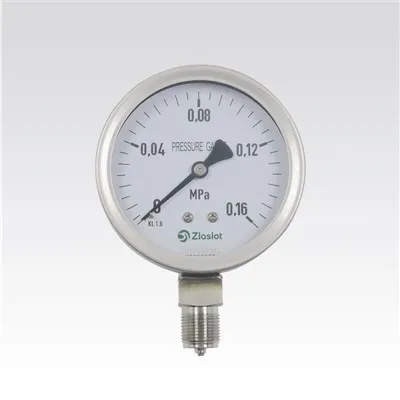

How to maintain a melt pressure indicator?
Leave a message

Maintaining a melt pressure indicator is crucial for ensuring its accurate and reliable operation in various industrial applications. As a trusted melt pressure indicator supplier, we understand the significance of proper maintenance to extend the lifespan of the equipment and maintain optimal performance. In this blog post, we will discuss the essential steps and best practices for maintaining a melt pressure indicator.
Understanding the Melt Pressure Indicator
Before delving into maintenance procedures, it is important to have a basic understanding of how a melt pressure indicator works. A melt pressure indicator is a device used to measure the pressure of molten materials, such as plastics, rubber, or metals, in a manufacturing process. It typically consists of a pressure sensor, a transducer, and a display unit. The pressure sensor detects the pressure of the melt and converts it into an electrical signal, which is then transmitted to the transducer. The transducer amplifies and processes the signal, and finally, the display unit shows the pressure reading.
Regular Inspection
Regular inspection is the first step in maintaining a melt pressure indicator. It helps to identify any potential issues or signs of wear and tear before they escalate into major problems. Here are some key areas to inspect:
- Physical Condition: Check the indicator for any visible damage, such as cracks, dents, or loose connections. Ensure that all components are securely fastened and that there are no signs of leakage.
- Electrical Connections: Inspect the electrical connections to ensure they are clean, tight, and free from corrosion. Loose or corroded connections can cause inaccurate readings or even lead to equipment failure.
- Sensor Calibration: Periodically calibrate the pressure sensor to ensure accurate readings. Calibration should be performed according to the manufacturer's instructions using a certified calibration device.
- Display Unit: Check the display unit for any signs of malfunction, such as flickering or incorrect readings. If necessary, replace the display unit or have it repaired by a qualified technician.
Cleaning and Maintenance
Proper cleaning and maintenance are essential for keeping the melt pressure indicator in good working condition. Here are some tips to follow:
- Cleaning the Sensor: The pressure sensor is the most critical component of the melt pressure indicator. It should be cleaned regularly to remove any debris or contaminants that may affect its performance. Use a soft, lint-free cloth and a mild cleaning solution to gently wipe the sensor. Avoid using abrasive materials or harsh chemicals, as they can damage the sensor.
- Lubrication: Some melt pressure indicators may require lubrication to ensure smooth operation. Refer to the manufacturer's instructions for the recommended lubricant and lubrication intervals.
- Filter Replacement: If the melt pressure indicator is equipped with a filter, it should be replaced regularly to prevent clogging and ensure proper airflow. Follow the manufacturer's recommendations for filter replacement intervals.
- Environmental Conditions: The melt pressure indicator should be installed in a clean, dry, and well-ventilated environment. Avoid exposing the indicator to extreme temperatures, humidity, or corrosive substances, as they can damage the equipment.
Troubleshooting
Despite regular maintenance, issues may still arise with the melt pressure indicator. Here are some common problems and their possible solutions:
- Inaccurate Readings: If the pressure readings are inaccurate, check the sensor calibration and ensure that the electrical connections are secure. If the problem persists, it may be necessary to replace the sensor or have it repaired by a qualified technician.
- No Display: If the display unit does not show any readings, check the power supply and ensure that the electrical connections are properly connected. If the problem persists, it may be necessary to replace the display unit or have it repaired.
- Leakage: If there is a leakage from the pressure sensor or any other component, stop using the equipment immediately and contact a qualified technician for repair.
- Malfunctioning Alarm: If the alarm on the melt pressure indicator is not working properly, check the alarm settings and ensure that the alarm is properly calibrated. If the problem persists, it may be necessary to replace the alarm or have it repaired.
Importance of Maintenance
Proper maintenance of a melt pressure indicator offers several benefits, including:
- Accurate Readings: Regular maintenance ensures that the pressure readings are accurate, which is essential for maintaining the quality and consistency of the manufacturing process.
- Extended Lifespan: By keeping the melt pressure indicator in good working condition, you can extend its lifespan and reduce the need for frequent replacements.
- Cost Savings: Proper maintenance can help prevent costly breakdowns and repairs, saving you time and money in the long run.
- Safety: A well-maintained melt pressure indicator is essential for ensuring the safety of the manufacturing process. It helps to prevent overpressure situations, which can lead to equipment damage, product defects, or even accidents.
Conclusion
Maintaining a melt pressure indicator is essential for ensuring its accurate and reliable operation. By following the steps and best practices outlined in this blog post, you can keep your melt pressure indicator in good working condition and extend its lifespan. Remember to perform regular inspections, clean and maintain the equipment, troubleshoot any issues promptly, and seek professional help when needed.


If you are in the market for a high-quality melt pressure indicator or need assistance with maintenance and calibration, Pressure Temperature Indicator, Pressure Indicator, and Temperature Indicator are excellent options. Our team of experts is ready to help you find the right solution for your specific needs. Contact us today to discuss your requirements and start a procurement negotiation.
References
- Manufacturer's manuals and documentation for the melt pressure indicator.
- Industry standards and best practices for pressure measurement and maintenance.