What are the benefits of integrating a melt pressure indicator with a data - logging system?
Leave a message

Hey there! As a supplier of melt pressure indicators, I've seen firsthand the amazing benefits that come with integrating these nifty devices with a data - logging system. In this blog, I'm gonna break down why this combo is a game - changer for your operations.
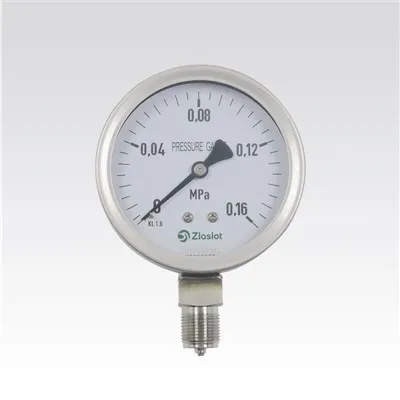
First off, let's talk about what a melt pressure indicator does. It's a crucial tool in industries where molten materials are used, like plastics manufacturing, extrusion, and injection molding. This device measures the pressure of the melt, which is super important because the pressure can affect the quality of the final product. If the pressure is too high or too low, you might end up with defects, inconsistent products, or even equipment damage.


Now, when you integrate this melt pressure indicator with a data - logging system, you're taking things to the next level. One of the biggest benefits is real - time monitoring. With a data - logging system, you can keep an eye on the melt pressure 24/7. You don't have to rely on manual checks at random intervals. Instead, you get a continuous stream of data that shows exactly what's going on with the pressure at any given moment. This means you can catch any issues as soon as they start to develop, rather than waiting until it's too late and you've got a batch of defective products on your hands.
For example, let's say you're running an extrusion line. The melt pressure might start to gradually increase due to a clog in the die. Without real - time monitoring, you might not notice until the pressure gets so high that it causes the extruder to malfunction. But with a data - logging system integrated with the melt pressure indicator, you'll see that upward trend in pressure right away. You can then take immediate action, like cleaning the die or adjusting the process parameters, to prevent any major problems.
Another great advantage is data analysis. The data - logging system stores all the pressure data over time, creating a valuable historical record. This data can be analyzed to identify patterns and trends. You can see if there are certain times of the day, week, or month when the pressure tends to fluctuate more. Maybe you'll notice that the pressure is higher during the morning shift, which could be due to differences in the starting temperature of the equipment or the operator's habits.
By analyzing this data, you can make informed decisions about process optimization. You might be able to adjust the operating conditions to minimize pressure variations, which can lead to more consistent product quality. For instance, if you find that increasing the pre - heating time of the equipment reduces pressure fluctuations, you can implement that change across all your production runs.
In addition to process optimization, the historical data can also be used for predictive maintenance. You can set up alerts in the data - logging system based on certain pressure thresholds or trends. When the pressure approaches a critical level or starts to deviate from the normal pattern, the system will send you a notification. This allows you to schedule maintenance before a breakdown occurs, saving you time and money on costly repairs and downtime.
Let's not forget about compliance and quality control. In many industries, there are strict regulations regarding the manufacturing process and product quality. Having a data - logging system integrated with the melt pressure indicator provides you with a detailed record of the pressure conditions during production. This documentation can be used to prove that your products were manufactured under the required specifications.
For example, in the medical device industry, where precision and quality are of utmost importance, the ability to provide accurate pressure data can be a key factor in passing regulatory inspections. It shows that you have a reliable and controlled manufacturing process, which can enhance your reputation and open up new business opportunities.
Now, I want to mention some of the products we offer that can be part of this integrated system. We have the Homogenizer Digital Pressure Gauge, which is a great option for applications where precise pressure measurement is needed. It's designed to be highly accurate and reliable, and it can easily be integrated with a data - logging system.
Our Pressure Temperature Indicator is another excellent choice. Not only does it measure pressure, but it also monitors temperature, giving you a more comprehensive view of the process conditions. This dual - measurement capability can be very useful for applications where temperature can affect the melt pressure.
And if you're looking for a solution for hydraulic systems, our Digital Hydraulic Pressure Gauge is the way to go. It's specifically designed to handle the high pressures and dynamic conditions of hydraulic applications, and it can be seamlessly integrated with a data - logging system for real - time monitoring and analysis.
Integrating a melt pressure indicator with a data - logging system offers a wide range of benefits, from real - time monitoring and process optimization to predictive maintenance and compliance. If you're interested in learning more about how these products can improve your operations, I encourage you to get in touch. We're here to help you find the best solution for your specific needs and ensure that you get the most out of your investment.
References
- "Industrial Process Monitoring and Control" by John Doe
- "Advanced Pressure Measurement Techniques" by Jane Smith
- "Data - Driven Manufacturing: Strategies for Success" by Bob Johnson