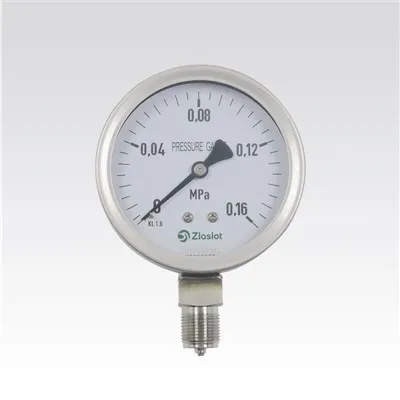

How to check the integrity of a pressure gauge's housing?
Leave a message

As a pressure gauges supplier, I've seen firsthand how crucial it is to ensure the integrity of a pressure gauge's housing. A damaged or compromised housing can lead to inaccurate readings, safety hazards, and even system failures. In this blog, I'll share some practical tips on how to check the integrity of a pressure gauge's housing, so you can keep your equipment running smoothly and safely.
Visual Inspection
The first step in checking a pressure gauge's housing is a simple visual inspection. This is a quick and easy way to spot any obvious signs of damage or wear. Start by looking at the overall condition of the housing. Are there any cracks, dents, or scratches? These can weaken the housing and make it more susceptible to failure. Pay special attention to the areas around the connections and the glass face. Any damage in these areas can affect the performance of the gauge.
Next, check the seals and gaskets. These are essential for preventing leaks and maintaining the integrity of the housing. Look for any signs of wear, such as cracks, tears, or deformation. If the seals or gaskets are damaged, they should be replaced immediately.
Physical Checks
After a visual inspection, it's time to perform some physical checks. One of the most important checks is to ensure that the housing is properly secured. Loose or improperly installed housings can cause vibrations and movement, which can lead to damage over time. Check all the mounting screws and bolts to make sure they are tight and in good condition.
You should also check the housing for any signs of corrosion or rust. Corrosion can weaken the housing and cause it to fail prematurely. If you notice any signs of corrosion, clean the affected area and apply a rust inhibitor to prevent further damage.
Pressure Testing
In some cases, a visual and physical inspection may not be enough to determine the integrity of a pressure gauge's housing. In these situations, pressure testing can be a valuable tool. Pressure testing involves applying a known pressure to the gauge and monitoring it for any signs of leakage or failure.
Before performing a pressure test, make sure the gauge is properly installed and calibrated. You should also follow all the manufacturer's instructions and safety guidelines. Start by slowly increasing the pressure to the recommended test level. Hold the pressure for a specified period of time, usually a few minutes, and observe the gauge for any signs of leakage or movement. If you notice any problems, stop the test immediately and address the issue.
Using Specialized Tools
In addition to visual inspections and pressure testing, there are also some specialized tools that can be used to check the integrity of a pressure gauge's housing. One such tool is an ultrasonic thickness gauge. This device uses ultrasonic waves to measure the thickness of the housing material. A significant decrease in thickness can indicate corrosion or other damage.
Another useful tool is a thermal imaging camera. This camera can detect temperature variations in the housing, which can be a sign of internal damage or leakage. By using these specialized tools, you can get a more accurate and detailed assessment of the housing's integrity.


Importance of Regular Checks
Regularly checking the integrity of a pressure gauge's housing is essential for maintaining the safety and performance of your equipment. By catching any problems early, you can prevent costly repairs and downtime. It's recommended to perform visual inspections and physical checks on a regular basis, such as monthly or quarterly, depending on the usage and environment of the gauge. Pressure testing and the use of specialized tools should be done at least once a year or as recommended by the manufacturer.
Conclusion
Checking the integrity of a pressure gauge's housing is a critical part of maintaining your equipment. By following these simple steps, you can ensure that your pressure gauges are in good working condition and provide accurate readings. Remember, a well-maintained pressure gauge can help you avoid costly repairs, reduce downtime, and most importantly, keep your workplace safe.
If you're in the market for high-quality pressure gauges, we've got you covered. We offer a wide range of pressure gauges, including Digital Melt Presssure Gauges, Vacuum Digital Pressure Gauge, and Mechanical Presssure Gauge. Our products are designed to meet the highest standards of quality and performance. If you have any questions or would like to discuss your specific needs, don't hesitate to get in touch with us. We're here to help you find the perfect pressure gauge solution for your application.
References
- Pressure Gauge Handbook, Various Industry Publications
- Manufacturer's Manuals for Pressure Gauges