Can MEMS pressure transmitters be used in medical applications?
Leave a message

Hey there! As a supplier of MEMS pressure transmitters, I often get asked if these nifty little devices can be used in medical applications. Well, let's dive right into it and explore the possibilities.
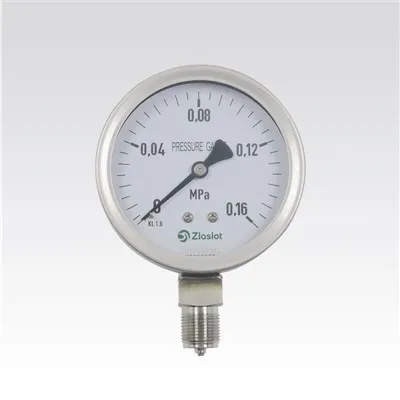
First off, what are MEMS pressure transmitters? MEMS stands for Micro-Electro-Mechanical Systems. These pressure transmitters are super tiny, usually made using semiconductor manufacturing techniques. They're designed to measure pressure and convert it into an electrical signal that can be easily read and processed. They're known for being highly accurate, reliable, and cost - effective.
Now, let's talk about the requirements in medical applications. In the medical field, precision is key. Whether it's monitoring blood pressure, keeping an eye on the pressure inside a ventilator, or measuring the pressure in a dialysis machine, the readings need to be spot - on. Any inaccuracy could lead to misdiagnosis or ineffective treatment, which is a big no - no.
MEMS pressure transmitters are well - suited to meet these precision needs. Their small size allows them to be integrated into medical devices without taking up too much space. For example, in a wearable blood pressure monitor, a compact MEMS pressure transmitter can be easily incorporated. This is a huge advantage as patients prefer lightweight and unobtrusive medical devices.
Another important aspect in medical applications is biocompatibility. The materials used in MEMS pressure transmitters need to be safe for contact with the human body. Many modern MEMS pressure transmitters are made with biocompatible materials such as silicon and certain polymers. These materials have been tested and proven to be non - toxic and non - allergenic, which is essential when the device is going to be in direct or indirect contact with patients.
Let's take a closer look at some specific medical applications where MEMS pressure transmitters can shine.
Blood Pressure Monitoring
Blood pressure is one of the most commonly monitored vital signs. Traditional blood pressure cuffs are bulky and can be a bit uncomfortable for long - term use. MEMS pressure transmitters can be used in new - generation blood pressure monitors, both the cuff - based ones and the cuffless ones. In cuff - based monitors, they can provide more accurate and consistent pressure readings. And for cuffless monitors, which are still in the development phase but hold a lot of promise, MEMS pressure transmitters can detect the subtle pressure changes in the blood vessels to estimate blood pressure.

Ventilators
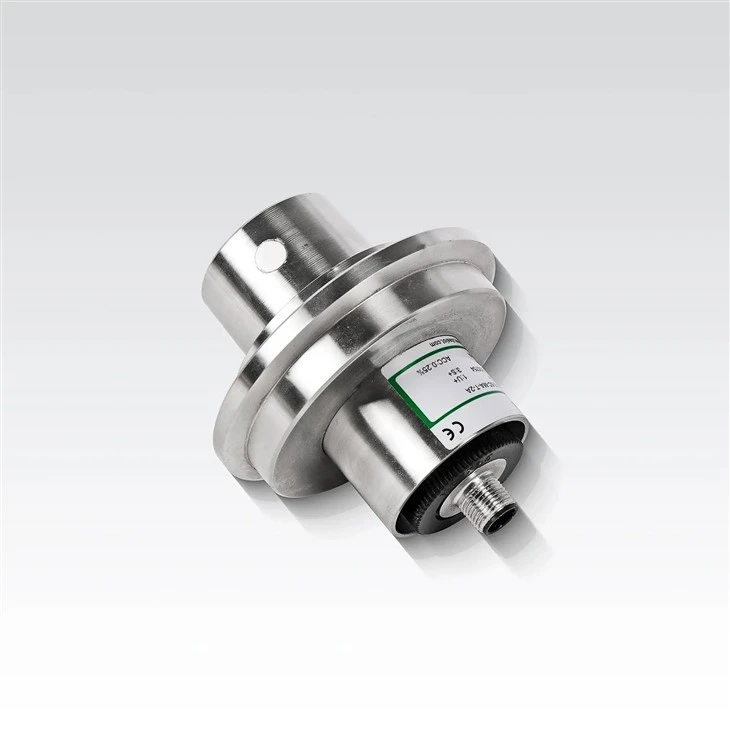
Ventilators are life - saving devices used to assist patients with breathing difficulties. They need to precisely control the air pressure delivered to the patient's lungs. MEMS pressure transmitters can be used to monitor the pressure inside the ventilator circuit. This ensures that the correct amount of pressure is maintained, preventing under - or over - inflation of the lungs, which can cause serious damage.
Dialysis Machines
In dialysis machines, MEMS pressure transmitters play a crucial role in monitoring the pressure of the blood and the dialysis fluid. They help ensure that the blood flow is regulated properly and that the fluid exchange between the patient's blood and the dialysis solution occurs at the right pressure. This is vital for the effectiveness of the dialysis treatment.
However, it's not all sunshine and rainbows. There are some challenges when using MEMS pressure transmitters in medical applications. One of the main challenges is calibration. Medical devices require extremely accurate calibration to ensure the reliability of the pressure readings. Calibration needs to be done regularly, and it can be a complex and time - consuming process.
Another challenge is the harsh environment in some medical applications. For example, in surgical instruments, the devices may be exposed to high - temperature sterilization processes. MEMS pressure transmitters need to be able to withstand these harsh conditions without losing their accuracy or functionality.
Despite these challenges, the future looks bright for MEMS pressure transmitters in medical applications. With ongoing research and development, manufacturers are constantly improving the performance and reliability of these devices.
If you're in the medical device manufacturing industry and are looking for high - quality MEMS pressure transmitters, you've come to the right place. We, as a supplier, offer a wide range of MEMS pressure transmitters that are designed to meet the strict requirements of medical applications. Our products are known for their accuracy, reliability, and biocompatibility.
We also have a specialized MEMS Pressure Sensor for Shield Tunneling Machine, which you can check out here. Although it's for a different application, it showcases our expertise in MEMS technology.
If you're interested in learning more about our MEMS pressure transmitters for medical applications or would like to start a procurement discussion, don't hesitate to reach out. We're always happy to help you find the perfect solution for your medical device needs.
References
- Smith, J. (2020). "Advances in MEMS Technology for Medical Applications." Journal of Medical Devices.
- Johnson, A. (2019). "Biocompatible Materials in MEMS Pressure Sensors." Biomedical Engineering Reviews.