Can MEMS pressure transmitters be used in environmental monitoring?
Leave a message

As a supplier of MEMS pressure transmitters, I've witnessed firsthand the remarkable versatility and capabilities of these devices. One question that often arises in various industries is whether MEMS pressure transmitters can be effectively used in environmental monitoring. In this blog post, I'll delve into this topic, exploring the potential applications, advantages, and limitations of using MEMS pressure transmitters in environmental monitoring scenarios.
Understanding MEMS Pressure Transmitters
MEMS, or Micro-Electro-Mechanical Systems, technology has revolutionized the field of pressure sensing. MEMS pressure transmitters are compact, highly sensitive devices that can measure pressure with high accuracy. They are based on the principle of converting mechanical pressure into an electrical signal. The core of a MEMS pressure sensor consists of a thin diaphragm that deflects under the influence of pressure. This deflection is then converted into an electrical output, which can be measured and processed.
The manufacturing process of MEMS pressure transmitters involves microfabrication techniques similar to those used in the semiconductor industry. This allows for the production of small, low-cost sensors with excellent performance characteristics. MEMS pressure transmitters are available in various configurations, including absolute, gauge, and differential pressure sensors, making them suitable for a wide range of applications.
Potential Applications in Environmental Monitoring
- Air Quality Monitoring
- MEMS pressure transmitters can play a crucial role in air quality monitoring systems. In a weather station, for example, they can measure atmospheric pressure, which is an important parameter for weather forecasting. Changes in atmospheric pressure can indicate the approach of a weather front, which may bring changes in temperature, humidity, and air quality.
- In addition, MEMS pressure sensors can be used in air pollution monitoring devices. They can measure the pressure differences across filters or particulate matter collectors. By monitoring these pressure changes, it is possible to determine the amount of particulate matter being collected and, thus, the level of air pollution in a given area.
- Water Quality Monitoring
- In water bodies, MEMS pressure transmitters can be used to measure water depth. This is important for monitoring the water level in rivers, lakes, and reservoirs. By continuously monitoring the water level, it is possible to detect changes due to rainfall, evaporation, or water extraction.
- They can also be used in water treatment plants. For example, in a reverse osmosis system, MEMS pressure sensors can monitor the pressure across the membranes. This helps in ensuring the proper operation of the system and detecting any potential blockages or malfunctions.
- Soil Monitoring
- MEMS pressure transmitters can be used to measure soil moisture indirectly. When the soil is wet, the pressure exerted on the sensor is different from when it is dry. By measuring this pressure change, it is possible to estimate the soil moisture content. This information is valuable for agriculture, as it helps farmers determine when to irrigate their fields.
Advantages of Using MEMS Pressure Transmitters in Environmental Monitoring
- Compact Size
- The small size of MEMS pressure transmitters makes them ideal for environmental monitoring applications where space is limited. They can be easily integrated into small - scale monitoring devices, such as handheld air quality monitors or underground soil sensors.
- Low Power Consumption
- MEMS pressure sensors typically consume very little power. This is a significant advantage in environmental monitoring, where devices may need to operate for long periods on battery power. Low power consumption also reduces the environmental impact associated with power generation.
- High Sensitivity and Accuracy
- MEMS pressure transmitters can provide highly accurate pressure measurements. This is essential for environmental monitoring, where even small changes in pressure can have significant implications. For example, in air quality monitoring, accurate pressure measurements are needed to calculate air flow rates and pollutant concentrations.
- Cost - Effectiveness
- Due to the mass - production capabilities of MEMS technology, MEMS pressure transmitters are relatively inexpensive compared to traditional pressure sensors. This makes them a cost - effective solution for large - scale environmental monitoring projects.
Limitations and Challenges
- Environmental Sensitivity
- MEMS pressure transmitters can be sensitive to environmental factors such as temperature and humidity. Changes in temperature can cause the diaphragm of the sensor to expand or contract, leading to measurement errors. To overcome this, temperature compensation techniques are often required.
- Durability in Harsh Environments
- In some environmental monitoring applications, such as in industrial areas or coastal regions, the sensors may be exposed to harsh chemicals, high levels of dust, or saltwater. These conditions can damage the MEMS pressure sensors over time, reducing their lifespan and accuracy. Protective coatings and enclosures can be used to mitigate these issues, but they may add to the cost and complexity of the monitoring system.
A Case in Point: MEMS Pressure Sensor for Shield Tunneling Machine
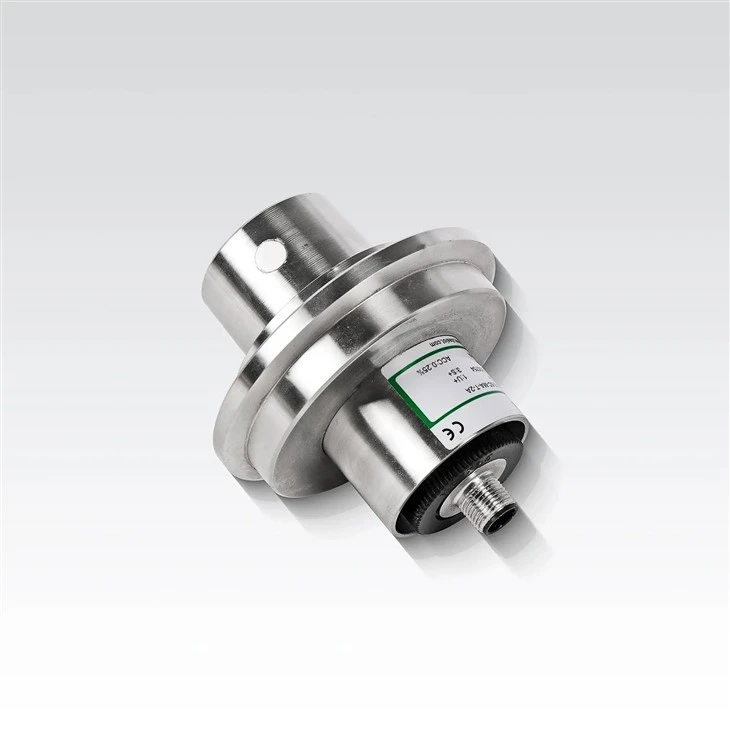
The MEMS Pressure Sensor for Shield Tunneling Machine is an example of how MEMS pressure technology can be adapted for a specific application. In shield tunneling, accurate pressure measurement is crucial for the proper operation of the tunneling machine. The MEMS pressure sensor can monitor the pressure in the excavation chamber, which helps in controlling the tunneling process and ensuring the safety of the workers. This shows the potential of MEMS pressure transmitters to be customized and used in challenging and specialized environmental monitoring scenarios.
Conclusion
In conclusion, MEMS pressure transmitters have great potential in environmental monitoring. Their compact size, low power consumption, high sensitivity, and cost - effectiveness make them suitable for a wide range of applications in air, water, and soil monitoring. However, they also face challenges such as environmental sensitivity and durability in harsh conditions. With proper design and calibration, these limitations can be overcome.

If you are interested in using MEMS pressure transmitters for your environmental monitoring needs, I encourage you to reach out to us. We can provide you with high - quality MEMS pressure sensors and customized solutions based on your specific requirements. Contact us to start a discussion about your project and explore how our products can meet your needs.
References
- Kovacs, G. T. A. (1998). Micromachined Transducers Sourcebook. McGraw - Hill.
- Doebelin, E. O. (2003). Measurement Systems: Application and Design. McGraw - Hill.
- Wise, K. D., Najafi, K., & Anderson, M. A. (2004). Microelectromechanical Systems (MEMS) and Micro/Nanotechnology. Wiley - Interscience.