Can a temperature switch be used in industrial ovens?
Leave a message

Hey there! As a supplier of temperature switches, I often get asked whether a temperature switch can be used in industrial ovens. Well, the short answer is yes, but there's a lot more to it than that. So, let's dive in and explore the ins and outs of using temperature switches in industrial ovens.
Why Use a Temperature Switch in Industrial Ovens?
Industrial ovens are used in a wide range of applications, from baking and curing to heat treating and drying. In all these processes, maintaining a consistent temperature is crucial. That's where temperature switches come in. They act as a safety net, ensuring that the oven doesn't overheat or drop below a certain temperature.
Imagine you're running a bakery. If the oven temperature goes too high, your bread will burn. If it goes too low, your bread won't rise properly. A temperature switch can help you avoid these disasters by automatically turning the heating element on or off when the temperature reaches a pre - set level.
How Temperature Switches Work
Temperature switches are pretty simple devices. They have a sensor that detects the temperature. When the temperature reaches a specific point (the setpoint), the switch changes its state. It can either open or close an electrical circuit, which in turn can control the heating or cooling elements in the oven.
There are different types of temperature switches, each with its own way of working. For example, mechanical temperature switches use a bimetallic strip. As the temperature changes, the bimetallic strip bends, causing the switch to open or close. On the other hand, electronic temperature switches use sensors like thermistors or thermocouples to measure the temperature and then use electronic circuits to control the switch.
Types of Temperature Switches Suitable for Industrial Ovens
Digital Temperature Switch
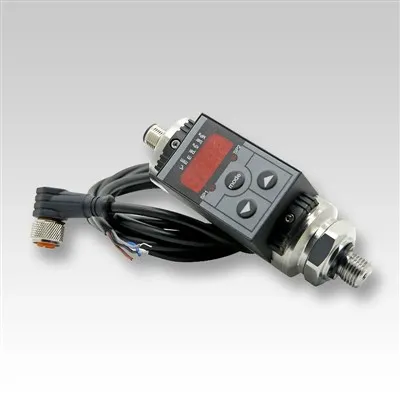
Digital temperature switches offer a high level of precision. They allow you to set the temperature with great accuracy, usually in small increments. This is really important in industrial ovens where even a small temperature variation can affect the quality of the product. You can check out our Digital Temperature Switch for more details. It provides a clear digital readout of the temperature, making it easy to monitor and adjust.
Electronic Intelligent Digital Temperature Switch
These are the next step up from regular digital temperature switches. The Electronic Intelligent Digital Temperature Switch has built - in intelligence. It can learn the temperature patterns of the oven over time and make adjustments automatically. This means less manual intervention and more consistent temperature control. For example, if the oven has a tendency to heat up faster at the beginning of a cycle, the intelligent switch can adjust the heating element to compensate.
Smart Digital Automatic Temperature Switch
The Smart Digital Automatic Temperature Switch takes things even further. It can be connected to a network, allowing you to control and monitor the oven temperature remotely. You can use your smartphone or a computer to check the temperature, change the setpoint, or receive alerts if something goes wrong. This is especially useful for large - scale industrial operations where you may have multiple ovens to manage.
Factors to Consider When Using a Temperature Switch in an Industrial Oven
Temperature Range
The first thing you need to consider is the temperature range of the oven. Different temperature switches are designed to work within specific temperature limits. You need to make sure that the switch you choose can handle the maximum and minimum temperatures of your oven. For example, if you have a high - temperature industrial oven that can reach up to 500°C, you need a switch that can operate reliably at that temperature.


Accuracy
As mentioned earlier, accuracy is crucial in industrial ovens. The accuracy of a temperature switch is usually specified as a percentage of the setpoint. For example, a switch with an accuracy of ±1% means that the actual temperature could be 1% higher or lower than the setpoint. The higher the accuracy, the better the temperature control in the oven.
Response Time
The response time of a temperature switch is how quickly it reacts to a change in temperature. In an industrial oven, a fast response time is important, especially if the heating or cooling rate is high. A slow - responding switch may not be able to keep up with rapid temperature changes, leading to temperature fluctuations in the oven.
Environmental Conditions
Industrial ovens can be located in harsh environments. There may be high levels of dust, moisture, or vibration. You need to choose a temperature switch that is resistant to these conditions. For example, some switches are designed with sealed enclosures to protect them from dust and moisture.
Installation and Maintenance
Installing a temperature switch in an industrial oven is not overly complicated, but it does require some basic knowledge of electrical systems. You need to make sure that the switch is installed in the right location within the oven. It should be placed where it can accurately measure the temperature of the product or the air inside the oven.
Maintenance is also important. You should regularly check the switch for any signs of damage or wear. Clean the sensor regularly to ensure accurate temperature readings. If you notice any issues, such as inconsistent temperature control or false alarms, it may be time to replace the switch.
Conclusion
So, to sum it up, yes, a temperature switch can definitely be used in industrial ovens. It plays a vital role in maintaining the right temperature and ensuring the quality of the products being processed. With the different types of temperature switches available, like Digital Temperature Switch, Electronic Intelligent Digital Temperature Switch, and Smart Digital Automatic Temperature Switch, you can find the perfect one for your specific needs.
If you're in the market for a temperature switch for your industrial oven, I'd love to talk to you. Whether you have questions about which type is best for you or need more information about our products, don't hesitate to reach out. Let's work together to find the right solution for your temperature control needs.
References
- "Industrial Oven Handbook" - A comprehensive guide on industrial oven operations and components.
- "Temperature Sensors and Switches: Principles and Applications" - A technical book that explains the working of different temperature - sensing devices.