
Can a melt pressure indicator be calibrated?
Leave a message

Can a melt pressure indicator be calibrated? You bet it can, and in this blog, I'm gonna break down why calibration is super important, how it's done, and why you should choose us as your go-to melt pressure indicator supplier.
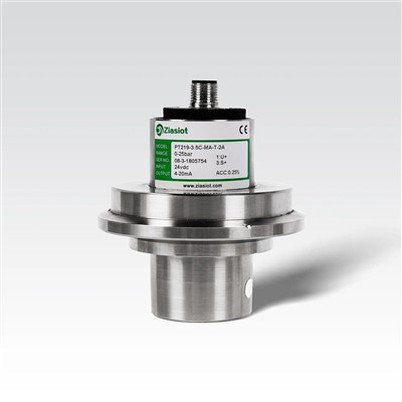
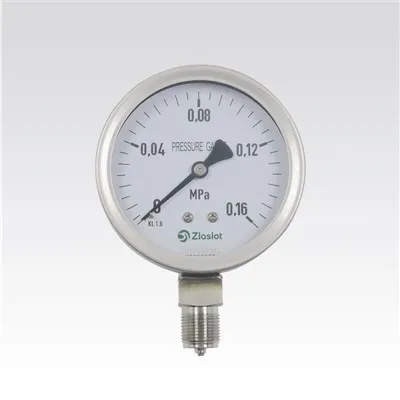
First off, let's talk about what a melt pressure indicator is. It's a crucial tool in many industries, especially those dealing with plastics, polymers, and other materials that need to be melted and processed. The Melt Pressure Indicator measures the pressure of the molten material, which is vital for ensuring the quality and consistency of the final product. If the pressure is too high or too low, it can lead to all sorts of problems, like poor product quality, equipment damage, and even safety hazards.
Now, the big question: Can it be calibrated? The short answer is yes. Calibration is the process of adjusting an instrument to ensure that it gives accurate and reliable readings. For a melt pressure indicator, calibration is essential because over time, factors like temperature changes, mechanical stress, and normal wear and tear can cause the readings to drift. If you're relying on inaccurate pressure readings, you're basically flying blind, and that's a recipe for disaster.
So, how do you calibrate a melt pressure indicator? Well, there are a few different methods, but the most common one involves using a known pressure source to compare the indicator's readings. This known pressure source can be a calibrated pressure gauge or a pressure calibration device. Here's a step-by-step breakdown of the calibration process:
- Preparation: First, you need to make sure the melt pressure indicator is clean and in good working condition. Check for any signs of damage or wear, and make sure all the connections are tight.
- Isolation: Next, you'll need to isolate the indicator from the process. This usually involves shutting off the flow of the molten material and allowing the system to cool down.
- Connection: Connect the known pressure source to the melt pressure indicator. Make sure the connection is secure and there are no leaks.
- Comparison: Apply a series of known pressures to the indicator and compare the readings to the values from the known pressure source. If there are any discrepancies, you'll need to adjust the indicator accordingly.
- Adjustment: Most modern melt pressure indicators have built-in adjustment features that allow you to fine-tune the readings. Follow the manufacturer's instructions to make the necessary adjustments.
- Verification: Once you've made the adjustments, repeat the comparison process to verify that the indicator is now giving accurate readings.
- Documentation: Finally, document the calibration process, including the date, the pressures applied, the readings obtained, and any adjustments made. This documentation is important for quality control and regulatory compliance.
As a melt pressure indicator supplier, we understand the importance of calibration, and we're committed to providing our customers with high-quality, accurate instruments. That's why all of our Melt Pressure Indicator products are factory calibrated to ensure they meet the highest standards of accuracy and reliability. But we don't stop there. We also offer calibration services to help you keep your indicators in top condition.
Our calibration services are performed by trained technicians using state-of-the-art equipment. We follow strict calibration procedures to ensure that your indicators are calibrated to the highest standards. And because we're a supplier, we have access to all the necessary parts and components, so we can quickly and easily repair or replace any damaged or worn-out parts.
In addition to our melt pressure indicators, we also offer a range of other products, including Homogenizer Digital Pressure Gauge and Digital PID Pressure Controller. These products are designed to work together to provide you with a complete pressure measurement and control solution.
So, if you're in the market for a melt pressure indicator or any other pressure measurement and control products, look no further. We're your one-stop shop for all your pressure-related needs. Whether you're a small business or a large corporation, we have the products, the expertise, and the customer service to meet your requirements.
If you have any questions or would like to learn more about our products and services, don't hesitate to get in touch. We're always happy to help, and we look forward to working with you. Contact us today to start the conversation and let's see how we can help you take your business to the next level.
References


- ASTM International. (20XX). Standard practices for pressure gauge calibration.
- ISO. (20XX). International standards for pressure measurement and calibration.