
Common Pressure Transducer Sensor Failures & Solutions
Leave a message
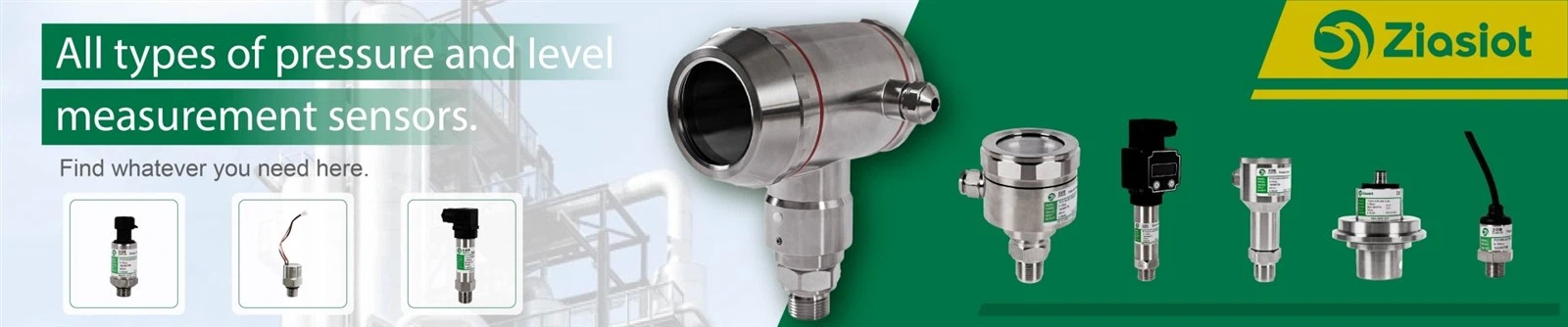
A pressure transducer sensor is a critical component in automation systems, widely used to measure and control industrial process pressure in sectors like oil & gas, chemical, and power generation. Pressure sensor transducers come in various types based on working principles and applications. They enable remote pressure monitoring and control but often operate in harsh conditions-high temperatures, low pressure, corrosion, and vibration-making them prone to failures. Understanding these challenges is key to ensuring reliability.
Why Do Transducer Pressure Sensors Fail?
Sensor pressure transducers can malfunction due to multiple factors:
Leaking fill fluid between the isolation diaphragm and sensor element.
Zero/span drift or unstable output, reducing accuracy.
Environmental damage (e.g., lightning strikes frying circuitry, moisture corroding wiring).
Overrange selection, causing irreversible pressure transducer sensor deformation.
Below are the most common pressure sensor transducer failures and troubleshooting methods:
1. Wiring Issues
Symptoms: Erratic readings on control systems.
Solution:
Open the transducer pressure sensor junction box.
Check for loose, shorted, or broken wires.
Test power supply, insulation resistance, and circuit continuity.
2. EMI/RFI Interference
Symptoms: Signal noise, communication failure.
Cause: Signal cables running parallel to power lines.
Solution:
Separate pressure transducer sensor cables from high-voltage lines.
Use shielded twisted-pair cables.
3. Pressure Port & Tubing Problems
Common issues:
Clogged impulse lines (due to dirty/viscous media).
Leaking fittings (loose connections or valve failures).
Liquid accumulation (improper gas-line installation).
Solution:
Flush lines, check seals, and ensure proper slope for drainage in sensor pressure transducer systems..
4. Signal Transmission Errors
Symptoms: Weak or noisy signals.
Cause: Long cable runs or improper grounding.
Solution:
Shorten the distance between the pressure sensor transducer and receiver.
Use thicker-gauge cables if needed.
Pressure Transducer Sensor Troubleshooting Guide
1. No Output Signal
Possible Causes:
No process pressure.
Incorrect power supply polarity.
Damaged PCB or sensing element in the transducer pressure sensor.
Solution:
Verify power, check wiring, and inspect internal components.
2. No Response to Applied Pressure
Check:Blocked/damaged impulse lines.
Jumper switches (if applicable).
Recalibrate or replace the sensor pressure transducer module.
3. Incorrect Pressure Readings
Steps:Inspect for leaks in tubing.
Verify valve positions.
Re-zero or recalibrate the pressure transducer sensor.
4. Unstable Readings
Solutions:
Eliminate vibration/EMI sources.
Check for clogged/damaged diaphragms in the pressure sensor transducer.
Test the sensing element for wear.
Maximizing Transducer Pressure Sensor Lifespan
Whether using domestic or imported sensor pressure transducers, failures often stem from harsh environments, mishandling, or design flaws. To ensure accuracy and longevity:
✔ Follow manufacturer guidelines for installation and calibration of pressure transducer sensors.
✔ Implement preventive maintenance (e.g., cleaning ports, checking seals).
✔ Train staff on proper handling and diagnostics for pressure sensor transducers.
By addressing these issues proactively, you'll optimize performance and reduce downtime in critical processes.