
Common Melt Pressure Controller Failures & How To Fix Them
Leave a message
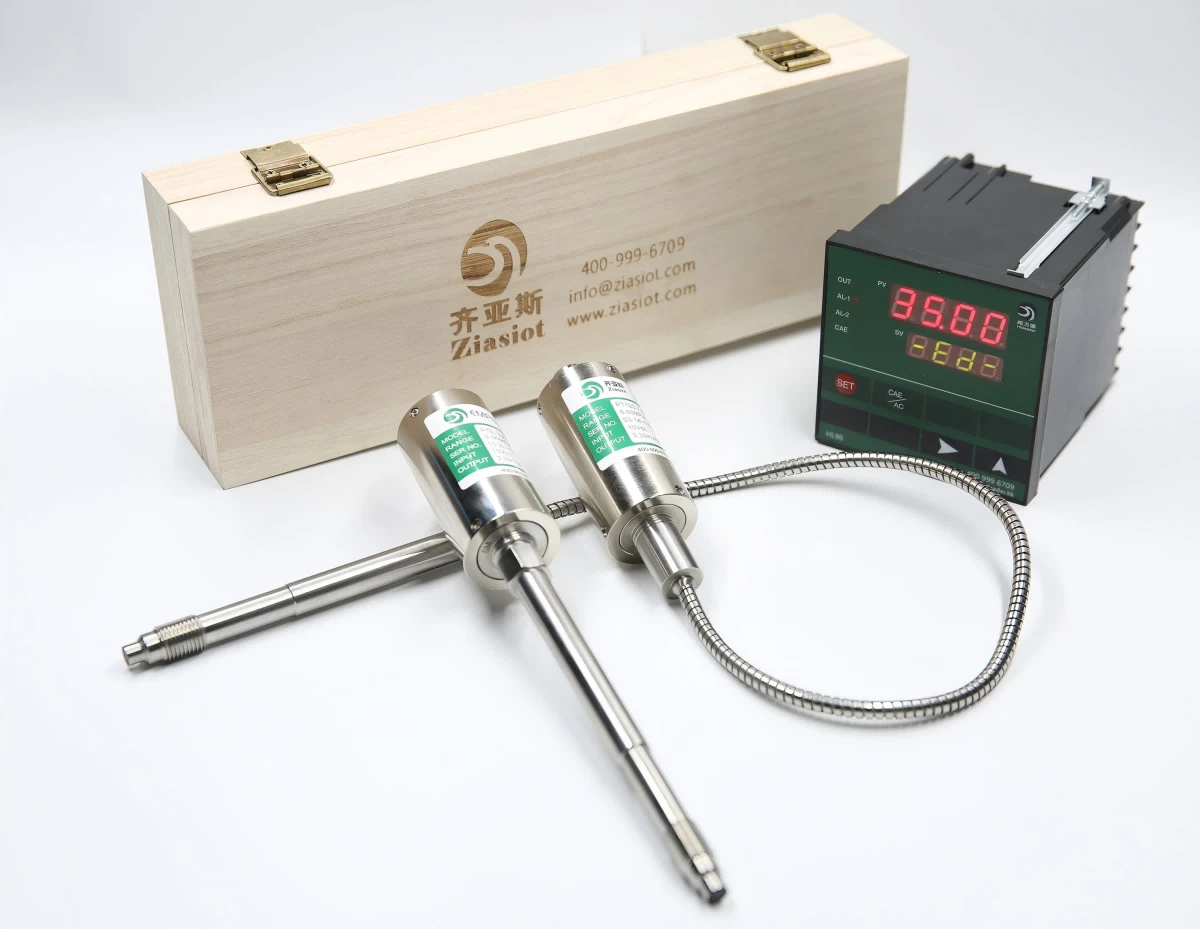
melt pressure controller, is a device specifically designed to monitor and control the pressure of molten materials during the manufacturing process. In industries such as plastics and rubber, where polymers are heated to a molten state for shaping and molding, maintaining precise pressure control is of utmost importance. It functions as a vigilant sentinel, constantly measuring the pressure within the melt stream and taking corrective actions when deviations from the set parameters occur. By doing so, it ensures that the molten material flows evenly and consistently, which is essential for producing high-quality finished products with accurate dimensions and excellent mechanical properties.
Below we'll explore the top 5 pressure controller failures, their root causes, and step-by-step solutions to fix them.
1. Seal Failure (Leakage Issues)
Seal failure is one of the most frequent problems in pressure controllers, leading to leaks and pressure loss.
A. Leakage Between Housing (Gas/Liquid Escape)
Causes:
Casting defects in the housing
Worn-out or damaged O-rings/gaskets
Degraded diaphragm (in diaphragm-based controllers)
Solutions:
Repair housing defects with epoxy sealant (if minor)
Replace damaged O-rings or diaphragms
Tighten loose bolts to ensure a proper seal
B. Pipe Connection Leaks
Causes:
Worn sealing washers
Loose threaded fittings
Vibration-induced loosening
Solutions:
Replace damaged sealing washers
Apply thread sealant (Teflon tape or liquid thread sealant)
Install vibration dampeners if excessive movement is present
2. Pressure Regulation Problems
If your pressure controller isn't maintaining the correct pressure, one of these issues could be the culprit.
A. Low Pressure (e.g., <0.65 MPa)
Causes:
Torn or ruptured diaphragm
Broken or fatigued spring
Clogged vent/bleed port
Solutions:
Replace the diaphragm
Install a new spring
Clean the vent port with compressed air or a fine wire
B. High Pressure (e.g., >0.70 MPa)
Causes:
Over-tightened adjustment screw
Seized or jammed spring
Solutions:
Loosen the adjustment screw to the correct setting
Replace the spring if it's deformed or stuck
C. Unstable Pressure (Fluctuations)
Causes:
Aging or drifting pressure sensor
Electrical interference (near motors or high-voltage cables)
Solutions:
Replace the faulty sensor
Recalibrate the controller periodically
Shield the controller from electromagnetic interference (EMI)
3. Mechanical Component Failures
Wear and tear on moving parts can lead to malfunctions.
A. Clogged Valve/Damping Orifice
Symptoms:
Erratic pressure gauge needle movement
Delayed response in pressure adjustments
Solutions:
Disassemble and clean the valve or orifice
Replace if heavily corroded or damaged
B. Spring Failure
Symptoms:
Inconsistent pressure output
Inability to hold set pressure
Solutions:
Adjust spring tension (if possible)
Replace if bent, corroded, or weakened
4. Electrical Faults
Electronic pressure controllers can suffer from electrical issues.
A. Burnt or Shorted Contacts
Symptoms:
No response from the controller
Intermittent signal loss
Solutions:
Clean oxidized contacts with fine sandpaper
Replace the controller if damage is severe
5. Overheating Issues
Excessive heat accelerates wear and reduces lifespan.
Causes:
Poor ventilation around the controller
High ambient temperatures
Solutions:
Install cooling fans or heat sinks
Relocate the controller to a cooler environment
Troubleshooting Priority Checklist
For efficient repairs, follow this priority order:
✅ 1. Check Seals & Pressure Regulation (Most common failures)
✅ 2. Inspect Mechanical Components (Valves, springs, orifices)
✅ 3. Test Electrical Connections (Contacts, sensors)
✅ 4. Monitor Temperature Conditions
Pro Tip: Regular calibration and maintenance can prevent 80% of pressure controller failures.