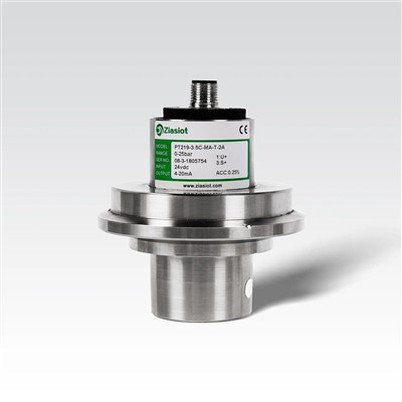

What is the response time of ceramic pressure transmitters?
Leave a message

The response time of a pressure transmitter is a critical parameter that determines how quickly it can react to changes in pressure. In the context of ceramic pressure transmitters, understanding the response time is essential for applications where rapid pressure changes occur. As a leading supplier of ceramic pressure transmitters, we are well - versed in the factors influencing the response time of these devices and their implications for various industries.
What is Response Time?
Response time is defined as the time taken for a pressure transmitter to reach a specified percentage (usually 90% or 95%) of its final output value after a step change in pressure. It is a measure of the dynamic performance of the pressure transmitter. A shorter response time indicates that the transmitter can quickly adapt to pressure changes, providing real - time and accurate pressure readings.
Factors Affecting the Response Time of Ceramic Pressure Transmitters
1. Sensor Design
The design of the ceramic sensor is one of the primary factors influencing the response time. Our ceramic pressure transmitters utilize advanced thin - film ceramic technology. The thin - film structure on the ceramic diaphragm allows for a quick transfer of pressure changes into electrical signals. The thickness and material properties of the ceramic diaphragm play a crucial role. A thinner diaphragm can respond more rapidly to pressure changes because it has less mass to move. Our engineers have optimized the diaphragm design to achieve a balance between mechanical strength and fast response.
2. Signal Processing Circuit
The signal processing circuit in the pressure transmitter also affects the response time. After the ceramic sensor converts the pressure into an electrical signal, the signal processing circuit amplifies, filters, and linearizes the signal. A high - speed and efficient signal processing circuit can reduce the time delay between the pressure change and the output signal. Our transmitters are equipped with state - of - the - art signal processing chips that are designed for high - speed data processing, ensuring a fast response.
3. Fluid Dynamics and Mounting
In applications where the pressure transmitter is in contact with a fluid, the fluid dynamics and the mounting of the transmitter can impact the response time. If the fluid has high viscosity or if there are restrictions in the flow path, it can slow down the pressure transfer to the sensor. Proper mounting of the pressure transmitter is also crucial. For example, if the transmitter is installed in a location with excessive vibration or if there are air pockets in the fluid connection, it can affect the accuracy and response time. We provide detailed installation guidelines to our customers to ensure optimal performance.
Response Time in Different Applications
1. Industrial Automation
In industrial automation processes, such as hydraulic systems and pneumatic control, rapid pressure changes are common. Our Standard Ceramic Pressure Transmitter offers a fast response time, which is essential for precise control of actuators and valves. For example, in a hydraulic press, the pressure transmitter needs to quickly detect changes in pressure to ensure the proper operation of the press and prevent over - or under - pressure situations.
2. Refrigeration Systems
In refrigeration systems, the pressure of the refrigerant changes rapidly during the compression and expansion cycles. Our Refrigeration Pressure Transmitter is designed to have a short response time to accurately monitor these pressure changes. This is crucial for maintaining the efficiency of the refrigeration system and ensuring the proper functioning of the compressor.
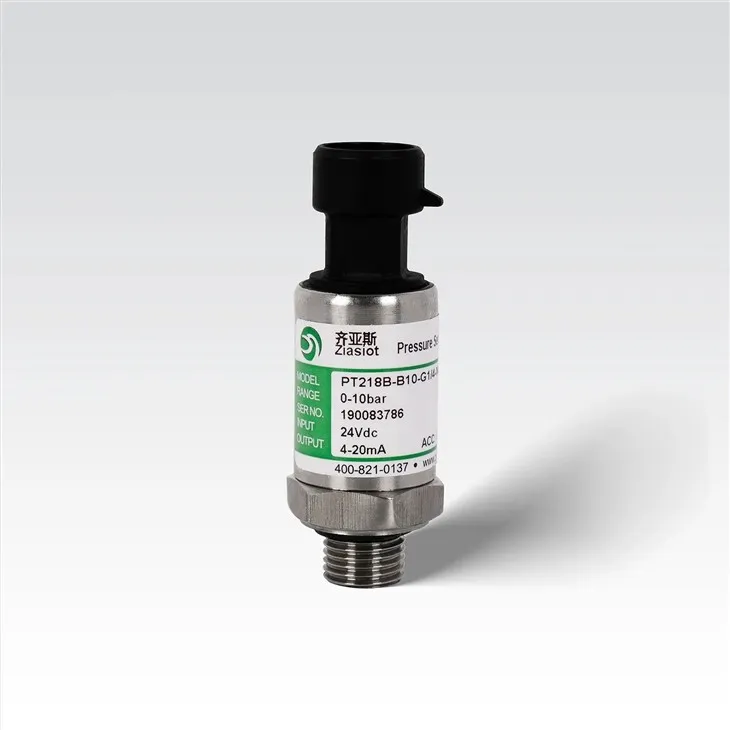
3. Chemical and Process Industries
In chemical and process industries, the pressure in pipelines and reactors can change suddenly due to chemical reactions or flow variations. Our Anti - Crossive Pressure Transmitter is suitable for these harsh environments. Its fast response time allows for real - time monitoring of pressure changes, which is important for safety and process control.
Measuring and Specifying Response Time
The response time of our ceramic pressure transmitters is measured using specialized test equipment. We perform step - response tests, where a sudden pressure change is applied to the transmitter, and the time taken for the output to reach 90% or 95% of the final value is recorded. The response time is specified in milliseconds (ms) in our product datasheets. When selecting a pressure transmitter for a particular application, customers should consider the required response time based on the dynamics of the pressure changes in their system.
Importance of Response Time in System Performance
A fast response time is crucial for the overall performance of a system. In applications where safety is a concern, such as in high - pressure industrial processes, a slow - responding pressure transmitter can lead to delayed detection of pressure anomalies, which may result in equipment damage or even accidents. In control systems, a fast response time allows for more accurate and stable control, reducing system oscillations and improving efficiency.

Comparison with Other Types of Pressure Transmitters
Compared to other types of pressure transmitters, such as strain - gauge or piezoelectric transmitters, ceramic pressure transmitters offer a good balance between response time, accuracy, and cost. Strain - gauge transmitters may have a slower response time due to the mechanical deformation of the strain - gauge elements. Piezoelectric transmitters can have a very fast response time but may be more expensive and less suitable for static pressure measurements. Our ceramic pressure transmitters provide a reliable and cost - effective solution for a wide range of applications with varying pressure change dynamics.

Conclusion
As a supplier of ceramic pressure transmitters, we understand the importance of response time in different applications. Our transmitters are designed to offer fast response times through optimized sensor design, advanced signal processing circuits, and proper installation guidelines. Whether you are in the industrial automation, refrigeration, or chemical industries, our ceramic pressure transmitters can provide the real - time pressure monitoring you need.
If you are interested in learning more about our ceramic pressure transmitters or have specific requirements for your application, please feel free to contact us for procurement and further discussions. We are committed to providing you with the best - suited pressure measurement solutions.
References
- "Pressure Transmitter Handbook", Instrumentation and Control Engineering Series
- Research papers on ceramic sensor technology in leading scientific journals