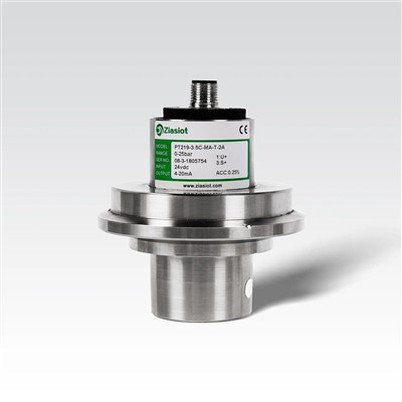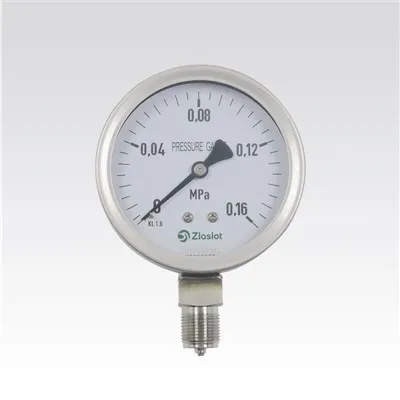

What is the overload protection of ceramic pressure transmitters?
Leave a message

Hey there! As a supplier of Ceramic Pressure Transmitters, I often get asked about overload protection. So, let's dive right into what overload protection of ceramic pressure transmitters is all about.
First off, what's a ceramic pressure transmitter? Well, it's a device that measures pressure and converts it into an electrical signal. These transmitters are widely used in various industries like automotive, aerospace, and industrial automation because of their high accuracy, reliability, and long - term stability. But just like any other piece of equipment, they are vulnerable to damage, especially when exposed to pressures that are higher than their normal operating range. That's where overload protection comes in.
Overload protection is essentially a safety feature that safeguards the ceramic pressure transmitter from excessive pressure. When the pressure applied to the transmitter exceeds its rated maximum pressure, the overload protection mechanism kicks in to prevent damage to the sensor element and other internal components. This is crucial because if a transmitter is exposed to an overload situation, it can lead to permanent damage, inaccurate readings, or even complete failure of the device.
There are different types of overload protection mechanisms used in ceramic pressure transmitters. One common method is the use of mechanical stops. These are physical barriers that limit the movement of the diaphragm inside the transmitter. When the pressure gets too high, the diaphragm hits these stops, preventing it from being over - stretched or damaged. This is a simple yet effective way to protect the sensor from extreme pressure conditions.
Another approach is the use of electronic overload protection. In this method, the transmitter is equipped with electronic circuits that monitor the pressure signal. If the signal indicates that the pressure has exceeded the safe limit, the circuit can take action, such as shutting down the transmitter or sending an alarm signal. This type of protection is more sophisticated and can provide real - time monitoring and response to overload situations.
Now, let's talk about why overload protection is so important in different applications. In industrial settings, for example, ceramic pressure transmitters are used to monitor the pressure in pipelines, tanks, and other equipment. If there is a sudden spike in pressure due to a blockage or a malfunction, the overload protection can prevent the transmitter from being damaged, which in turn helps to maintain the safety and efficiency of the entire system.
In the automotive industry, pressure transmitters are used in various systems like the fuel injection system and the braking system. Overload protection ensures that these transmitters can withstand the high pressures generated during normal operation and also protect them from any unexpected pressure surges. This is essential for the proper functioning of the vehicle and the safety of the passengers.
If you're in the market for a ceramic pressure transmitter, it's important to consider the level of overload protection offered by different models. At our company, we offer a range of ceramic pressure transmitters with excellent overload protection features. For example, our Refrigeration Pressure Transmitter is designed to handle the unique pressure requirements of refrigeration systems and has robust overload protection to ensure long - term reliability.
Our Anti - Crossive Pressure Transmitter is another great option. It's specifically designed to resist the corrosive effects of certain chemicals while also providing reliable overload protection. And if you're looking for a standard solution, our Standard Ceramic Pressure Transmitter offers a balance of performance and overload protection at an affordable price.
When choosing a ceramic pressure transmitter, you should also consider the maximum overload pressure rating. This is the highest pressure that the transmitter can withstand without suffering permanent damage. A higher overload pressure rating means that the transmitter can handle more extreme pressure conditions, but it may also come at a higher cost. So, you need to find the right balance based on your specific application requirements.
In addition to the technical aspects of overload protection, it's also important to consider the quality and reputation of the manufacturer. At our company, we have years of experience in the design and production of ceramic pressure transmitters. We use high - quality materials and advanced manufacturing processes to ensure that our transmitters are not only accurate and reliable but also have excellent overload protection.
We also provide comprehensive technical support to our customers. If you have any questions about overload protection or need help in selecting the right transmitter for your application, our team of experts is always ready to assist you.
If you're interested in purchasing ceramic pressure transmitters with top - notch overload protection, don't hesitate to get in touch with us. We can provide you with detailed product information, pricing, and even arrange for a demonstration if needed. Our goal is to help you find the best solution for your pressure measurement needs and ensure that your systems operate safely and efficiently.
In conclusion, overload protection is a critical feature of ceramic pressure transmitters. It helps to protect the devices from damage, ensures accurate measurements, and extends their lifespan. Whether you're in the industrial, automotive, or any other industry, choosing a transmitter with reliable overload protection is essential for the success of your operations. So, if you're looking for high - quality ceramic pressure transmitters with excellent overload protection, give us a call or send us an email. We're here to serve you!
References:

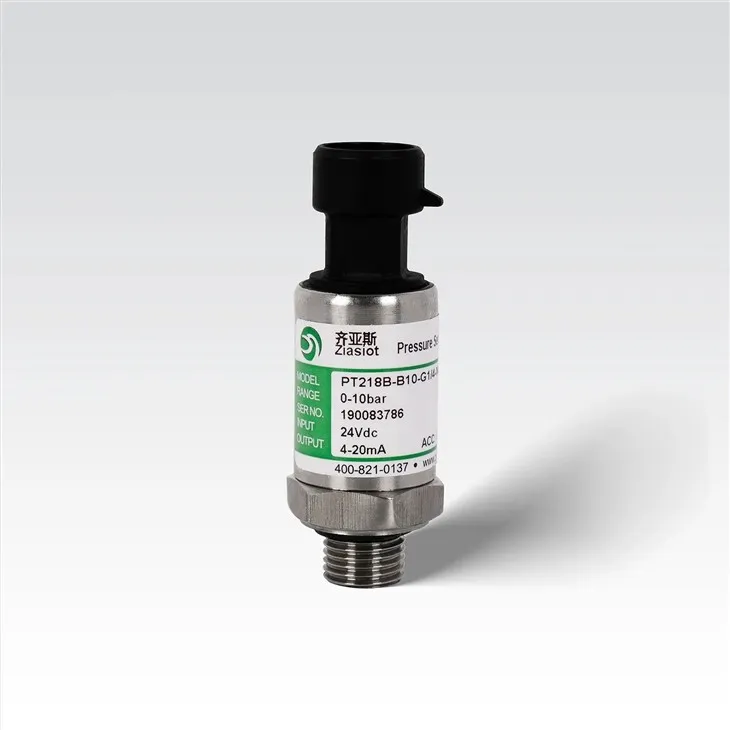
- "Pressure Transmitter Handbook" - A comprehensive guide on pressure transmitters and their features.
- Industry reports on the use of ceramic pressure transmitters in different sectors.