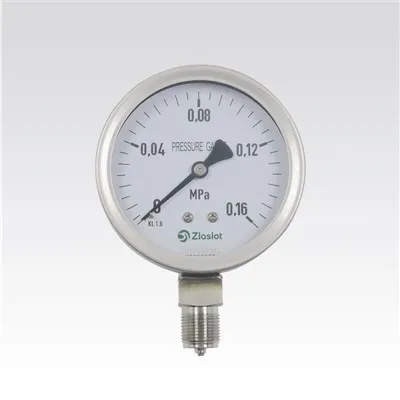
What is the calibration interval of MEMS pressure transmitters?
Leave a message

The calibration interval of MEMS (Micro-Electro-Mechanical Systems) pressure transmitters is a critical aspect that directly impacts the accuracy and reliability of pressure measurements in various industrial applications. As a leading supplier of MEMS pressure transmitters, we understand the significance of determining the appropriate calibration interval to ensure optimal performance and compliance with industry standards.
Understanding Calibration in MEMS Pressure Transmitters
Calibration is the process of comparing the output of a pressure transmitter to a known reference standard to determine its accuracy. Over time, factors such as temperature variations, mechanical stress, and electrical drift can cause the performance of a pressure transmitter to deviate from its original calibration. Regular calibration helps to identify and correct these deviations, ensuring that the transmitter provides accurate and reliable pressure measurements.
Factors Influencing Calibration Interval
Determining the calibration interval for MEMS pressure transmitters is not a one-size-fits-all approach. Several factors need to be considered to establish an appropriate interval that balances the need for accuracy with the cost and downtime associated with calibration.

Application Requirements
The specific requirements of the application play a crucial role in determining the calibration interval. In applications where high accuracy is critical, such as in aerospace, medical, and semiconductor manufacturing, more frequent calibration may be required. On the other hand, in less critical applications, such as general industrial monitoring, a longer calibration interval may be acceptable.
Environmental Conditions
The environmental conditions in which the pressure transmitter operates can significantly affect its performance and calibration interval. Harsh environments, such as those with high temperatures, humidity, vibration, or corrosive substances, can accelerate the degradation of the transmitter and require more frequent calibration. For example, in offshore oil and gas applications, where pressure transmitters are exposed to saltwater and extreme weather conditions, more frequent calibration is necessary to ensure accurate measurements.
Usage Frequency
The frequency of use of the pressure transmitter also impacts the calibration interval. Transmitters that are used continuously or frequently are more likely to experience wear and tear, leading to a shorter calibration interval. In contrast, transmitters that are used intermittently or in low-duty-cycle applications may have a longer calibration interval.
Manufacturer's Recommendations
Manufacturers typically provide recommendations for the calibration interval based on their product testing and experience. These recommendations are a good starting point for determining the calibration interval, but they should be adjusted based on the specific application requirements and environmental conditions.
Determining the Optimal Calibration Interval
To determine the optimal calibration interval for MEMS pressure transmitters, a comprehensive approach that considers all the influencing factors is necessary. Here are some steps that can be followed:
Conduct a Risk Assessment
Perform a risk assessment to identify the potential consequences of inaccurate pressure measurements in the application. Consider factors such as safety, product quality, regulatory compliance, and operational efficiency. Based on the risk assessment, determine the acceptable level of measurement uncertainty and the corresponding calibration interval.
Monitor Performance
Implement a performance monitoring program to track the performance of the pressure transmitters over time. This can include regular checks of the output readings, comparison with reference standards, and analysis of historical data. By monitoring the performance, any trends or deviations can be detected early, allowing for timely calibration and maintenance.
Analyze Historical Data
Review historical calibration data and performance records to identify patterns and trends in the transmitter's performance. This can help to determine the typical rate of drift and the appropriate calibration interval based on the desired level of accuracy.
Consult with Experts
Seek advice from industry experts, calibration laboratories, or the manufacturer's technical support team. They can provide valuable insights and guidance based on their experience and knowledge of MEMS pressure transmitters.
Benefits of Regular Calibration
Regular calibration of MEMS pressure transmitters offers several benefits, including:
Improved Accuracy
Calibration ensures that the pressure transmitter provides accurate and reliable measurements, which is essential for maintaining product quality, process control, and safety.
Compliance with Standards
Many industries have regulatory requirements or standards that mandate regular calibration of pressure measurement devices. By adhering to these requirements, companies can avoid penalties and ensure compliance with industry best practices.
Extended Product Lifespan
Regular calibration helps to identify and address any issues or problems with the pressure transmitter early, preventing further damage and extending its lifespan. This can result in cost savings by reducing the need for frequent replacements.
Enhanced Operational Efficiency
Accurate pressure measurements enable better process control and optimization, leading to improved operational efficiency and reduced waste. This can result in cost savings and increased productivity.
Our MEMS Pressure Transmitters and Calibration Services
As a leading supplier of MEMS pressure transmitters, we offer a wide range of high-quality products that are designed to meet the diverse needs of various industries. Our MEMS pressure transmitters are known for their accuracy, reliability, and durability, and they are backed by our comprehensive calibration services.
We understand the importance of calibration in ensuring the optimal performance of our products, and we offer calibration services that are performed by experienced technicians using state-of-the-art equipment and traceable reference standards. Our calibration services are designed to meet the specific requirements of each customer and application, and we provide detailed calibration reports that document the results and ensure compliance with industry standards.
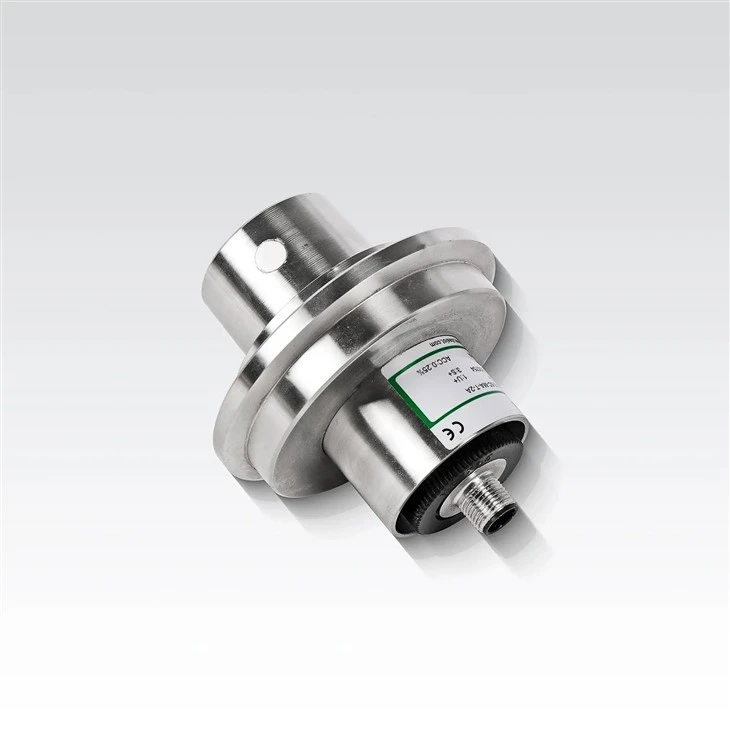
In addition to our calibration services, we also offer a MEMS Pressure Sensor for Shield Tunneling Machine that is specifically designed for use in shield tunneling applications. This sensor provides accurate and reliable pressure measurements in harsh environments, ensuring the safety and efficiency of the tunneling process.
Contact Us for Procurement and Calibration Services
If you are looking for high-quality MEMS pressure transmitters or calibration services, we invite you to contact us. Our team of experts is ready to assist you in selecting the right product for your application and providing you with the support and services you need to ensure its optimal performance. Whether you have questions about calibration intervals, product specifications, or pricing, we are here to help.
References
- "Pressure Transmitter Calibration: Best Practices and Considerations," Instrumentation and Control Engineering Handbook, Third Edition.
- "Calibration of Pressure Measuring Instruments," International Organization for Standardization (ISO) 17025.
- "MEMS Pressure Sensors: Principles and Applications," Sensors and Actuators A: Physical.