What is the burst strength of MEMS pressure transmitters?
Leave a message

In the realm of industrial instrumentation, MEMS (Micro-Electro-Mechanical Systems) pressure transmitters have emerged as a revolutionary technology, offering high precision, reliability, and compactness. As a leading supplier of MEMS pressure transmitters, I'm often asked about various technical aspects of our products, with the burst strength being a frequently raised question. In this blog, I'll delve into what burst strength means for MEMS pressure transmitters, why it's important, and how it relates to the performance of our supply.
Understanding Burst Strength
Burst strength refers to the maximum pressure that a MEMS pressure transmitter can withstand before it fails catastrophically. This failure typically involves the rupture of the pressure sensing element, which leads to a complete loss of the device's ability to measure pressure accurately and may also result in physical damage to the transmitter.
For MEMS pressure transmitters, the burst strength is a critical parameter because it defines the upper limit of pressure that the device can handle safely. It's not the same as the rated pressure, which is the normal operating pressure range within which the transmitter is designed to provide accurate and reliable measurements. The rated pressure is usually much lower than the burst strength to ensure a safety margin and prevent premature failure of the device.
Importance of Burst Strength
The burst strength is of paramount importance for several reasons. First and foremost, it ensures the safety of the system in which the MEMS pressure transmitter is installed. In industrial applications, such as oil and gas, chemical processing, and power generation, pressure systems can operate at extremely high pressures. If a pressure transmitter fails under high pressure, it can lead to leaks, explosions, or other hazardous situations. A high burst strength provides an additional layer of safety by reducing the risk of such failures.
Secondly, burst strength affects the reliability and longevity of the pressure transmitter. When a transmitter is exposed to pressures close to or exceeding its burst strength, even for a short period, it can cause permanent damage to the sensing element. This damage may not always result in an immediate failure but can degrade the performance of the transmitter over time, leading to inaccurate measurements and costly downtime. By choosing a MEMS pressure transmitter with a high burst strength, users can ensure that the device can withstand occasional pressure spikes without suffering long-term damage.
Factors Affecting Burst Strength
Several factors influence the burst strength of MEMS pressure transmitters. One of the most significant factors is the design and construction of the pressure sensing element. MEMS pressure sensors are typically made of silicon, which is a strong and durable material. However, the shape, thickness, and structure of the silicon diaphragm can have a major impact on its burst strength. For example, a thicker diaphragm generally has a higher burst strength but may also be less sensitive to pressure changes. Manufacturers need to strike a balance between sensitivity and burst strength during the design process.
The manufacturing process also plays a crucial role in determining the burst strength. High-quality manufacturing techniques, such as precision etching and bonding, can ensure that the pressure sensing element is free from defects and has consistent mechanical properties. Any defects, such as cracks or voids in the silicon diaphragm, can significantly reduce the burst strength of the transmitter.
In addition, the packaging and protection of the MEMS pressure sensor can affect its burst strength. The sensor is usually housed in a protective casing that shields it from environmental factors, such as moisture, dust, and mechanical shock. A well-designed casing can provide additional support to the sensor and help to distribute the pressure evenly, thereby increasing the burst strength.

Measuring Burst Strength
Measuring the burst strength of MEMS pressure transmitters is a complex process that requires specialized equipment and expertise. The most common method is to subject the transmitter to a gradually increasing pressure until it fails. This is typically done in a controlled laboratory environment using a pressure chamber and a pressure source that can accurately measure and control the applied pressure.
During the test, the pressure is increased at a slow and steady rate, and the pressure at which the transmitter fails is recorded as the burst strength. The test is usually repeated multiple times to ensure the accuracy and consistency of the results. In addition to measuring the burst strength, manufacturers may also conduct other tests, such as pressure cycling tests, to evaluate the long-term reliability of the transmitter under high-pressure conditions.
Our MEMS Pressure Transmitters and Burst Strength
As a supplier of MEMS pressure transmitters, we understand the importance of burst strength and take every measure to ensure that our products meet the highest standards of quality and safety. Our MEMS pressure transmitters are designed with a high burst strength to withstand the most demanding industrial applications.
We use advanced manufacturing techniques and high-quality materials to ensure the reliability and durability of our pressure sensing elements. Our silicon diaphragms are carefully engineered to provide a balance between sensitivity and burst strength, allowing our transmitters to provide accurate measurements even under high-pressure conditions.
In addition, our MEMS pressure transmitters are housed in robust and protective casings that provide additional support and protection. The casings are designed to withstand harsh environmental conditions and mechanical shock, further enhancing the burst strength of the transmitters.
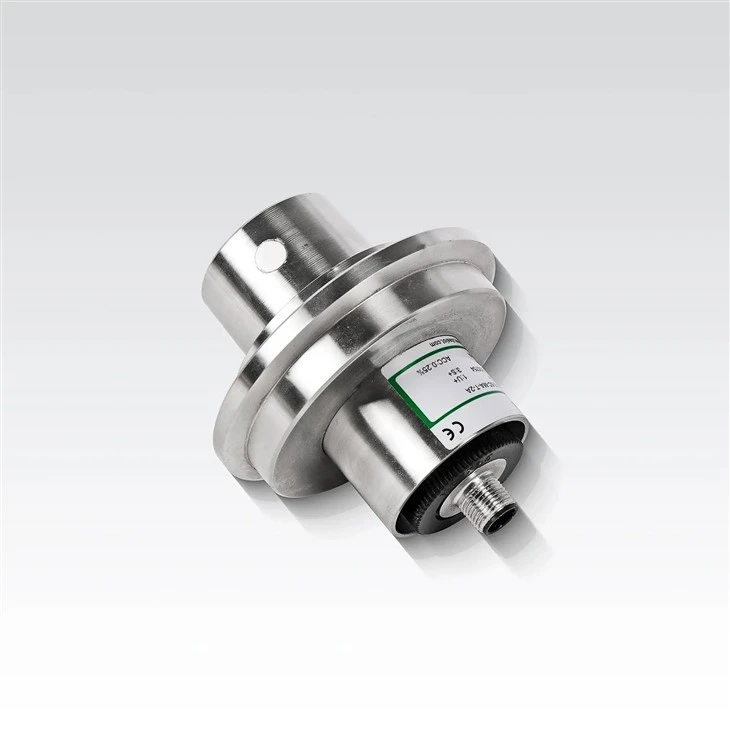
One of our flagship products, the MEMS Pressure Sensor for Shield Tunneling Machine, is specifically designed for use in shield tunneling applications. These applications require pressure sensors that can withstand high pressures and harsh environments. Our sensor has a high burst strength and is capable of providing accurate and reliable measurements in the challenging conditions of shield tunneling.
Conclusion
In conclusion, burst strength is a critical parameter for MEMS pressure transmitters. It ensures the safety, reliability, and longevity of the devices in industrial applications. As a supplier of MEMS pressure transmitters, we are committed to providing our customers with products that have a high burst strength and meet the highest standards of quality and performance.
If you're in the market for MEMS pressure transmitters and have specific requirements regarding burst strength or other technical specifications, we'd love to hear from you. Our team of experts can provide you with detailed information about our products and help you choose the right solution for your application. Don't hesitate to contact us for more information and to start a procurement discussion.
References
- Kovacs, G. T. A. (1998). Micromachined Transducers Sourcebook. McGraw-Hill.
- Madou, M. J. (2002). Fundamentals of Microfabrication: The Science of Miniaturization. CRC Press.
- Senturia, S. D. (2001). Microsystem Design. Kluwer Academic Publishers.