What are the special requirements for a melt pressure indicator in a chemical process?
Leave a message

Hey there! As a supplier of melt pressure indicators, I've been getting a bunch of questions lately about the special requirements these instruments need to meet in chemical processes. So, I thought I'd sit down and share some insights on this topic.
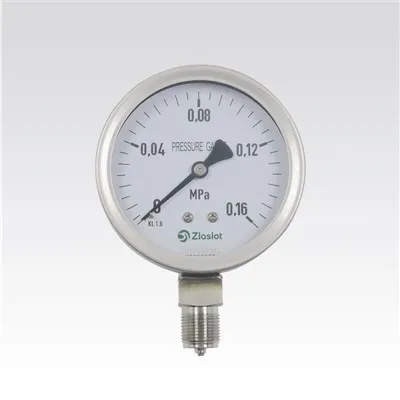
First off, let's talk about what a melt pressure indicator is. It's a device that measures the pressure of molten materials in a chemical process. This is super important because the pressure can have a huge impact on the quality and efficiency of the process. If the pressure is too high or too low, it can lead to all sorts of problems, like product defects, equipment damage, and even safety hazards.
Now, let's dive into the special requirements for a melt pressure indicator in a chemical process.
1. High - Temperature Resistance
In many chemical processes, the molten materials can reach extremely high temperatures. For example, in polymer extrusion, the temperature of the polymer melt can be well above 200°C. A melt pressure indicator needs to be able to withstand these high temperatures without losing its accuracy or functionality.
Most of the melt pressure indicators we supply are designed with special temperature - resistant materials. The sensor element, which is the heart of the indicator, is made of materials that can handle the heat. We also use advanced insulation techniques to protect the internal components from the high - temperature environment. This ensures that the indicator can provide accurate pressure readings even in the most extreme heat. You can learn more about temperature - related instruments on our Temperature Controller and Temperature Indicator pages.
2. Chemical Compatibility
Chemical processes involve a wide range of chemicals, some of which can be highly corrosive. A melt pressure indicator needs to be chemically compatible with the molten materials it's measuring. If the indicator isn't compatible, the chemicals can corrode the sensor and other components, leading to inaccurate readings and a shorter lifespan for the device.
We carefully select the materials for our melt pressure indicators based on the specific chemicals they'll be exposed to. For example, if the process involves acidic polymers, we'll use materials that are resistant to acid corrosion. This way, the indicator can work reliably in a chemically harsh environment.
3. Accuracy and Precision
Accuracy is crucial in a chemical process. Even a small error in pressure measurement can have a big impact on the final product. A melt pressure indicator needs to be able to provide accurate and precise readings consistently.
Our indicators are calibrated to high standards. We use state - of - the - art calibration equipment and techniques to ensure that the readings are as accurate as possible. The precision of our indicators is also very high, which means that they can detect even small changes in pressure. This is important for maintaining tight control over the chemical process.
4. Fast Response Time
In a dynamic chemical process, the pressure can change rapidly. A melt pressure indicator needs to have a fast response time to keep up with these changes. If the response time is too slow, the operator may not get timely information about the pressure changes, which can lead to process instability.
Our melt pressure indicators are designed with a fast - acting sensor. They can detect pressure changes almost instantly and provide updated readings to the operator. This allows for quick adjustments to be made to the process, ensuring smooth and efficient operation.
5. Durability and Reliability
Chemical processes are often long - running and demanding. A melt pressure indicator needs to be durable enough to withstand continuous use and the harsh conditions of the process. It also needs to be reliable, so that it doesn't break down unexpectedly.
We build our indicators to last. We use high - quality components and rigorous manufacturing processes to ensure their durability. Our products also undergo extensive testing before they leave the factory to ensure their reliability. This gives our customers peace of mind knowing that their melt pressure indicators will work consistently over time.
6. Compatibility with Process Control Systems
In modern chemical processes, most operations are automated and controlled by sophisticated process control systems. A melt pressure indicator needs to be compatible with these systems so that the pressure data can be integrated into the overall control strategy.
Our melt pressure indicators are designed to be easily integrated with various process control systems. They can communicate with the control systems using standard communication protocols, such as analog signals or digital interfaces. This allows for seamless integration and efficient operation of the chemical process.
7. Hygiene and Cleanability
In some chemical processes, especially those in the food, pharmaceutical, and cosmetic industries, hygiene is a top priority. A melt pressure indicator needs to be easy to clean to prevent contamination of the product.
Our indicators have a smooth and cleanable surface. They are designed without any crevices or hard - to - reach areas where dirt and bacteria can accumulate. This makes it easy to clean the indicator thoroughly between production runs, ensuring a hygienic production environment.


8. Pressure Range and Over - Pressure Protection
Different chemical processes require different pressure ranges. A melt pressure indicator needs to be able to measure the pressure within the specific range required by the process. It also needs to have over - pressure protection to prevent damage in case the pressure exceeds the normal range.
We offer a wide range of melt pressure indicators with different pressure ranges to meet the needs of various chemical processes. Our indicators are also equipped with over - pressure protection mechanisms. For example, some of our models have a mechanical stop that prevents the sensor from being damaged if the pressure gets too high.
In conclusion, a melt pressure indicator used in a chemical process has a lot of special requirements. It needs to be able to handle high temperatures, be chemically compatible, provide accurate and precise readings, have a fast response time, be durable and reliable, be compatible with process control systems, be hygienic and cleanable, and have the right pressure range and over - pressure protection.
If you're in the market for a melt pressure indicator for your chemical process, we'd love to help. We have a wide range of products that can meet all these special requirements. Just reach out to us, and we can discuss your specific needs and find the perfect solution for you. You can also check out our Homogenizer Digital Pressure Gauge for more related products.
References
- "Chemical Process Engineering Principles: Safety and Environmental Considerations" by Shacham, M., Brauner, N., and Maron, M.
- "Industrial Instrumentation and Control Handbook" by Liptak, B. G.