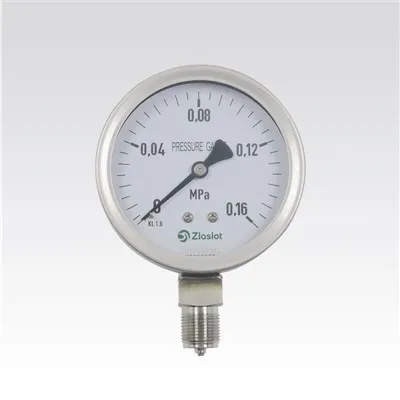

How to store pressure switches properly?
Leave a message

Hey there! As a supplier of pressure switches, I've seen firsthand the importance of proper storage. Pressure switches are crucial components in various systems, from water pumps to hydraulic machinery. If they're not stored correctly, they can malfunction or even get damaged, which is a big headache for everyone involved. So, let's dive into how to store these little guys properly.
Why Proper Storage Matters
Before we get into the nitty - gritty of storage, let's talk about why it's so important. Pressure switches are precision instruments. They're designed to detect changes in pressure and trigger an action, like turning a pump on or off. If they're exposed to the wrong conditions during storage, their internal components can corrode, their calibration can go off - kilter, or they can get physically damaged. This means that when you finally install them, they might not work as expected, leading to system failures, increased maintenance costs, and potential safety hazards.


Ideal Storage Conditions
Temperature
Temperature is a major factor when it comes to storing pressure switches. Most pressure switches are designed to operate within a specific temperature range, and this range also applies to storage. Generally, a cool and stable temperature is best. Aim for a storage area where the temperature stays between 10°C and 30°C (50°F and 86°F). Extreme heat can cause the materials inside the switch to expand, which can damage delicate components or affect the calibration. On the other hand, extreme cold can make the materials brittle and more prone to cracking.
Humidity
Humidity is another enemy of pressure switches. High humidity can lead to corrosion, especially on metal parts. Moisture can seep into the switch and cause rust, which can disrupt the electrical connections and mechanical functions. To combat this, keep the humidity in the storage area below 60%. You can use dehumidifiers if necessary. If you're storing the switches in a particularly damp environment, consider using moisture - absorbing packets inside the storage containers.
Light
Exposure to direct sunlight or strong artificial light can also be harmful. UV rays can degrade the plastic and rubber components of the pressure switch over time. So, store your switches in a dark or dimly lit area. If you're using storage cabinets, make sure they're opaque or have light - blocking doors.
Storage Containers
The type of container you use to store your pressure switches matters a lot.
Original Packaging
Whenever possible, keep the pressure switches in their original packaging. The manufacturers design these packages to protect the switches during shipping and short - term storage. They often have cushioning materials like foam or bubble wrap to absorb shocks and prevent physical damage.
Plastic Containers
If you need to transfer the switches to other containers, opt for plastic ones. Plastic is a good choice because it's non - conductive, which helps protect the electrical components of the switch. Make sure the containers are clean and dry before you put the switches in. You can label the containers clearly with the type of pressure switch, model number, and any other relevant information.
Anti - Static Bags
For some sensitive pressure switches, especially those with electronic components, anti - static bags are a great option. These bags prevent the build - up of static electricity, which can damage the delicate electronics. Place the switch inside the anti - static bag and seal it tightly.
Handling During Storage
How you handle the pressure switches while they're in storage is also important.
Avoid Stacking
Don't stack the pressure switches too high. Stacking can put excessive pressure on the bottom switches, which can cause physical damage. If you need to stack them, make sure there are proper spacers or cushioning materials between the layers.
Regular Inspections
It's a good idea to inspect the stored pressure switches regularly. Check for any signs of damage, corrosion, or moisture. If you notice any issues, take appropriate action immediately. For example, if you see rust on a switch, you might need to clean it carefully or replace it if the damage is too severe.
Specific Types of Pressure Switches
Let's take a look at how to store some specific types of pressure switches.
Intelligent Water Air Pneumatic Hydraulic Pump Digital Pressure Switch
These switches are often used in complex systems that require precise pressure control. They usually have digital displays and electronic components, so they're more sensitive to environmental conditions. Store them in a climate - controlled area with low humidity. Keep them away from sources of electromagnetic interference, such as large motors or power transformers.
Hydraulic Pressure Switch
Hydraulic pressure switches are exposed to high - pressure hydraulic fluids in operation. When storing them, make sure to protect the ports. You can use port plugs or caps to prevent dirt and debris from getting inside. Also, since hydraulic systems can be dirty, clean the switches thoroughly before storage to prevent any residual fluid from causing corrosion.
Smart Digital Pressure Switch
Smart digital pressure switches are equipped with advanced sensors and communication capabilities. They need to be stored in a static - free environment. Use anti - static bags and avoid exposing them to strong electromagnetic fields. Also, keep them away from sources of vibration, as this can affect the accuracy of the sensors.
Long - Term Storage
If you're planning to store pressure switches for a long time, there are a few additional steps you can take.
Lubrication
For switches with moving parts, a light coating of lubricant can help prevent corrosion and keep the parts moving smoothly. Make sure to use a lubricant that's compatible with the materials of the switch.
Documentation
Keep all the documentation related to the pressure switches, such as user manuals, calibration certificates, and warranty information. Store this documentation in a dry and organized way so that you can easily access it when needed.
Conclusion
Proper storage of pressure switches is essential to ensure their performance and longevity. By following the tips I've shared, you can protect your investment and avoid costly problems down the line. Whether you're a maintenance technician, a system installer, or a business owner, taking care of your pressure switches during storage is a smart move.
If you're in the market for high - quality pressure switches or have any questions about storage or usage, feel free to reach out to us. We're here to help you find the right solutions for your needs and ensure that your systems run smoothly.
References
- "Handbook of Pressure Measurement"
- Manufacturer's guidelines for various pressure switches