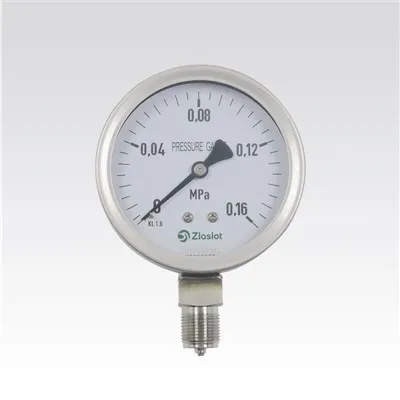

How to store melt pressure gauges properly?
Leave a message

Hey there! As a supplier of melt pressure gauges, I've seen firsthand how important it is to store these instruments properly. In this blog post, I'm gonna share some tips on how to do just that, so your melt pressure gauges stay in tip - top shape for as long as possible.
First off, let's talk about the different types of melt pressure gauges. We've got Digital Melt Presssure Gauges, Mechanical Presssure Gauge, and Vacuum Digital Pressure Gauge. Each type has its own unique features and requirements when it comes to storage.
Temperature and Humidity Control
One of the most crucial factors in storing melt pressure gauges is controlling the temperature and humidity of the storage environment. Melt pressure gauges are sensitive instruments, and extreme temperatures and high humidity can damage them.
Ideally, you should store your gauges in a room with a temperature between 20°C and 25°C (68°F - 77°F). This is a comfortable range for the internal components of the gauges and helps prevent any thermal expansion or contraction that could affect their accuracy.
Humidity is also a big deal. High humidity can cause corrosion on the metal parts of the gauges and damage the electronic components in digital gauges. Aim for a relative humidity of around 40% - 60%. You can use a dehumidifier in the storage area if the humidity is too high, or a humidifier if it's too low.
Protection from Physical Damage
Melt pressure gauges are delicate, and they can easily be damaged by physical impacts. When storing them, make sure they are protected from any potential bumps, knocks, or falls.
If you're storing multiple gauges, it's a good idea to use individual cases or compartments to keep them separated. This prevents them from rubbing against each other and causing scratches or other damage. You can use foam inserts in the cases to provide extra cushioning and protection.
When transporting the gauges to and from the storage area, use a proper carrying case with shock - absorbing materials. And always handle the gauges with care, holding them by the body and avoiding any unnecessary pressure on the sensitive parts like the sensors or the display.
Cleaning and Maintenance Before Storage
Before you store your melt pressure gauges, it's essential to clean and maintain them properly. This helps prevent the build - up of dirt, debris, and contaminants that could damage the gauges over time.
For mechanical gauges, use a soft, dry cloth to wipe away any dust or dirt on the surface. You can also use a mild cleaning solution if there are stubborn stains, but make sure to dry the gauge thoroughly afterwards.
Digital gauges require a bit more care. Use a lint - free cloth to clean the display and the buttons. Avoid using any abrasive materials that could scratch the screen. If the gauge has a sensor, make sure it's clean and free from any blockages.
It's also a good idea to perform a quick calibration check before storage. This ensures that the gauge is still accurate and will be ready to use when you take it out of storage.
Storage in a Dust - Free Environment
Dust is the enemy of melt pressure gauges. It can get into the internal components of the gauges and cause malfunctions or reduce their accuracy. To keep your gauges dust - free, store them in a sealed container or a cabinet with a tight - fitting door.
You can also use dust covers on the gauges themselves. These are especially useful for gauges with exposed sensors or displays. Make sure the dust covers are made of a breathable material to prevent the build - up of moisture.
Regularly clean the storage area to remove any dust that may have accumulated. A simple vacuuming or wiping down with a damp cloth can go a long way in keeping the environment clean.
Battery Care for Digital Gauges
If you're storing digital melt pressure gauges, battery care is crucial. Leaving the batteries in the gauges for an extended period can cause them to leak and damage the internal components.
Before storing the digital gauges, remove the batteries. Store the batteries separately in a cool, dry place. You can also label the batteries to keep track of which gauge they belong to.
When you're ready to use the gauges again, make sure to check the batteries for any signs of damage or corrosion. Replace them if necessary.
Documentation and Inventory Management
Keeping proper documentation and managing your inventory is an important part of storing melt pressure gauges. This helps you keep track of the gauges' history, including their purchase date, calibration dates, and any maintenance or repairs.
Create a detailed inventory list of all your melt pressure gauges. Include information such as the model number, serial number, and storage location. This makes it easier to find the gauges when you need them and ensures that you can keep track of their condition.
You can also use a digital inventory management system to make the process more efficient. This allows you to easily update the information and generate reports as needed.
Regular Inspections
Even when your melt pressure gauges are in storage, it's important to perform regular inspections. Check the gauges at least once every few months to make sure they are still in good condition.
Look for any signs of damage, such as cracks, scratches, or corrosion. Check the display on digital gauges to make sure it's working properly. If you notice any issues, take the necessary steps to repair or replace the gauge.


Regular inspections also give you the opportunity to clean the gauges again if needed and to perform any minor maintenance tasks.
Why Proper Storage Matters
Proper storage of melt pressure gauges is not just about keeping them in good condition. It also has a direct impact on their performance and accuracy.
When a gauge is stored correctly, it maintains its calibration and accuracy over time. This means that when you use it in your industrial processes, you can trust the readings it provides. Inaccurate readings can lead to production errors, quality issues, and even safety hazards.
In addition, proper storage extends the lifespan of the gauges. This saves you money in the long run, as you won't have to replace the gauges as frequently.
Conclusion
Storing melt pressure gauges properly is essential for their performance, accuracy, and longevity. By following the tips outlined in this blog post, you can ensure that your gauges are well - protected and ready to use when you need them.
If you're in the market for high - quality melt pressure gauges or have any questions about storage or maintenance, don't hesitate to reach out. We're here to help you find the right gauges for your needs and ensure that you get the most out of them.
References
- "Instrumentation and Control Handbook", Third Edition, edited by William D. Stanley
- Manufacturer's manuals for various melt pressure gauges