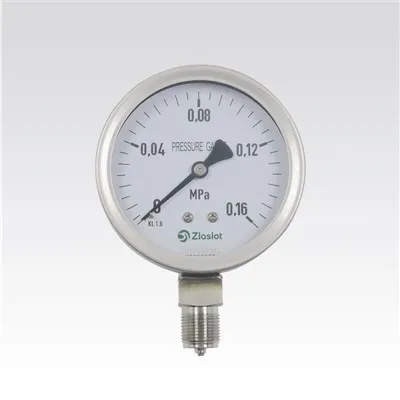
How to install a Compact Pressure Transmitter in a pipeline?
Leave a message

Hey there! As a supplier of Compact Pressure Transmitters, I'm here to walk you through the process of installing one in a pipeline. It might seem a bit tricky at first, but with the right steps, you'll have it up and running in no time.
Pre - installation Checks
Before you even start thinking about getting your hands dirty with the installation, there are a few things you need to check. First off, make sure the pipeline is shut down and depressurized. You don't want any unexpected pressure surges while you're working on it. It's also a good idea to clean the area around the installation point. Any dirt or debris could mess up the proper functioning of the transmitter.
Take a good look at the Compact Pressure Transmitter itself. Check for any visible damage during shipping. If you spot anything like cracks or bent parts, don't try to install it. Contact us right away, and we'll sort it out for you. Also, verify that you have all the necessary tools for the job. You'll typically need a wrench, some Teflon tape for sealing, and maybe a screwdriver depending on the model.
Choosing the Right Location
Picking the right spot to install the Compact Pressure Transmitter in the pipeline is super important. You want to place it where it can accurately measure the pressure. Avoid areas with high - velocity flow, as this can cause inaccurate readings. Also, stay away from bends, elbows, or valves in the pipeline. These areas can create turbulent flow, which will throw off the pressure measurements.
A good rule of thumb is to install the transmitter in a straight section of the pipeline. This allows for a more stable and consistent flow of the fluid or gas, giving you more accurate pressure readings. If possible, mount the transmitter at a level where it's easy to access for maintenance and calibration later on.
Mounting the Transmitter
Once you've found the perfect location, it's time to start mounting the Compact Pressure Transmitter. First, wrap some Teflon tape around the threads of the transmitter. This helps create a tight seal and prevents any leaks. Then, carefully thread the transmitter into the pre - drilled hole in the pipeline. Use a wrench to tighten it, but be careful not to over - tighten. Over - tightening can damage the threads or even crack the transmitter housing.
If your transmitter comes with a mounting bracket, make sure it's properly attached to the pipeline. The bracket should be secure and stable to hold the transmitter in place. Double - check that the transmitter is level. A tilted transmitter can also lead to inaccurate pressure readings.


Electrical Connections
After the physical installation, it's time to deal with the electrical connections. Most Compact Pressure Transmitters come with a cable or wires for power and signal output. First, make sure the power source is turned off before you start connecting the wires. This is a safety precaution to avoid any electrical shocks.
Identify the power wires and the signal wires. Usually, the power wires will be labeled with the appropriate voltage (like 24V DC). Connect the power wires to the power source according to the wiring diagram provided with the transmitter. Then, connect the signal wires to the monitoring or control system. This could be a PLC, a data logger, or a display unit.
Once all the connections are made, double - check them to make sure they're secure. Loose connections can cause intermittent signals or even complete failure of the transmitter.
Calibration
Calibration is a crucial step in getting accurate pressure measurements from your Compact Pressure Transmitter. After the installation and electrical connections are complete, you need to calibrate the transmitter. Most modern transmitters come with built - in calibration features. You can use a calibration tool or software to adjust the transmitter to the correct pressure range.
First, apply a known pressure to the transmitter. This can be done using a pressure calibrator. Compare the output signal of the transmitter with the known pressure. If there's a difference, use the calibration function to adjust the transmitter until the output signal matches the known pressure. Repeat this process a few times to ensure accuracy.
Testing
Once the calibration is done, it's time to test the Compact Pressure Transmitter. Slowly start pressurizing the pipeline. Monitor the output signal of the transmitter on the monitoring system. The pressure readings should increase smoothly as the pressure in the pipeline increases.
Check for any leaks around the installation point. If you notice any hissing sounds or see any signs of fluid or gas leakage, shut down the pipeline immediately and fix the issue. Also, make sure the transmitter is responding correctly to changes in pressure. If you see any erratic readings or if the transmitter doesn't seem to be working properly, there might be an issue with the installation or calibration.
Maintenance and Troubleshooting
After a successful installation and testing, it's important to keep up with regular maintenance. Check the transmitter periodically for any signs of wear and tear. Clean the exterior of the transmitter to prevent any dirt or debris from building up. Also, re - calibrate the transmitter at regular intervals to ensure continued accuracy.
If you run into any problems with the Compact Pressure Transmitter, don't panic. First, check the electrical connections to make sure they're still secure. Then, check the physical installation for any signs of damage or loosening. If the problem persists, contact our technical support team. We have a team of experts who can help you diagnose and fix the issue.
Other Related Products
If you're interested in other types of pressure transmitters, we also offer a range of Pressure Transmitters. These transmitters come in different models and specifications to meet various industrial needs.
For high - temperature applications, we have the High Temperature Digital Pressure Transducer Transmitter. This transmitter is designed to withstand extreme temperatures while still providing accurate pressure measurements.
And if you're working in a hazardous environment, our Explosion Proof Pressure Transmitter is the perfect choice. It's built to prevent any sparks or explosions that could occur in potentially explosive atmospheres.
Contact for Purchase
If you're looking to purchase a Compact Pressure Transmitter or any of our other products, we'd love to hear from you. Whether you have questions about the installation process, need more information about our products, or are ready to place an order, just reach out to us. We'll be happy to assist you with all your pressure transmitter needs.
References
- Industrial Pressure Transmitter Handbook
- Pipeline Installation and Maintenance Guide