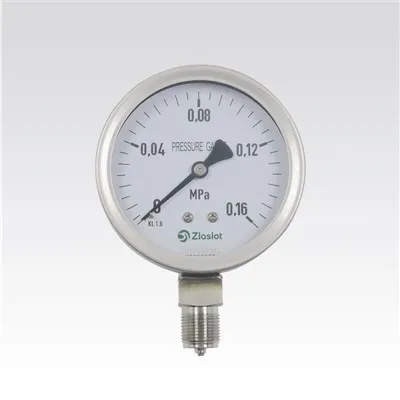
How to choose a MEMS pressure transmitter?
Leave a message

Selecting the right MEMS pressure transmitter is a critical decision that can significantly impact the efficiency and accuracy of your industrial operations. As a trusted supplier of MEMS Pressure Transmitters, I understand the complexities involved in this process. In this blog, I'll share valuable insights to help you make an informed choice.
Understanding MEMS Pressure Transmitters
MEMS (Micro-Electro-Mechanical Systems) pressure transmitters are compact, highly sensitive devices that convert pressure into an electrical signal. They are widely used in various industries, including automotive, aerospace, medical, and industrial automation. The technology behind MEMS pressure transmitters combines microfabrication techniques with semiconductor technology, enabling the production of small, low-cost, and high-performance sensors.
One of the key advantages of MEMS pressure transmitters is their high level of integration. They can incorporate multiple functions, such as signal conditioning, calibration, and temperature compensation, on a single chip. This not only reduces the size and cost of the sensor but also improves its reliability and performance.
Factors to Consider When Choosing a MEMS Pressure Transmitter
Pressure Range
The first step in choosing a MEMS pressure transmitter is to determine the pressure range required for your application. This will depend on the specific process or system you are monitoring. For example, in a hydraulic system, you may need a transmitter that can measure pressures ranging from a few psi to several thousand psi. It's important to select a transmitter with a pressure range that is slightly higher than the maximum pressure you expect to encounter to ensure accurate and reliable measurements.
Accuracy
Accuracy is another crucial factor to consider. The accuracy of a MEMS pressure transmitter is typically expressed as a percentage of the full-scale output. For applications where precise pressure measurements are required, such as in medical devices or aerospace systems, you'll need a transmitter with a high level of accuracy. However, keep in mind that higher accuracy often comes at a higher cost.

Temperature Range
The operating temperature range of the MEMS pressure transmitter is also an important consideration. Different applications may require the transmitter to operate in extreme temperatures, either high or low. Make sure the transmitter you choose can withstand the temperature conditions of your environment without compromising its performance. Some transmitters are designed with built-in temperature compensation to ensure accurate measurements over a wide temperature range.
Output Signal
MEMS pressure transmitters can provide various output signals, such as analog (e.g., 4-20 mA, 0-5 V) or digital (e.g., I2C, SPI). The choice of output signal depends on the compatibility with your existing control system or data acquisition equipment. Analog signals are commonly used in industrial applications, while digital signals are preferred for applications that require high-speed data transfer and communication.
Media Compatibility
The media being measured by the pressure transmitter can also affect its performance and lifespan. Some fluids or gases may be corrosive or abrasive, which can damage the sensor. Therefore, it's essential to choose a transmitter that is compatible with the media you are working with. Look for transmitters with appropriate materials for the wetted parts, such as stainless steel or ceramic, to ensure long-term reliability.
Package Size and Mounting
The physical size and mounting options of the MEMS pressure transmitter are important, especially if you have limited space or specific installation requirements. Consider the dimensions of the transmitter and whether it can be easily integrated into your system. Some transmitters come with different mounting options, such as threaded connections or surface-mount packages, to provide flexibility in installation.
Our MEMS Pressure Transmitters
As a supplier of MEMS Pressure Transmitters, we offer a wide range of products to meet the diverse needs of our customers. Our transmitters are designed with the latest MEMS technology, providing high accuracy, reliability, and performance.
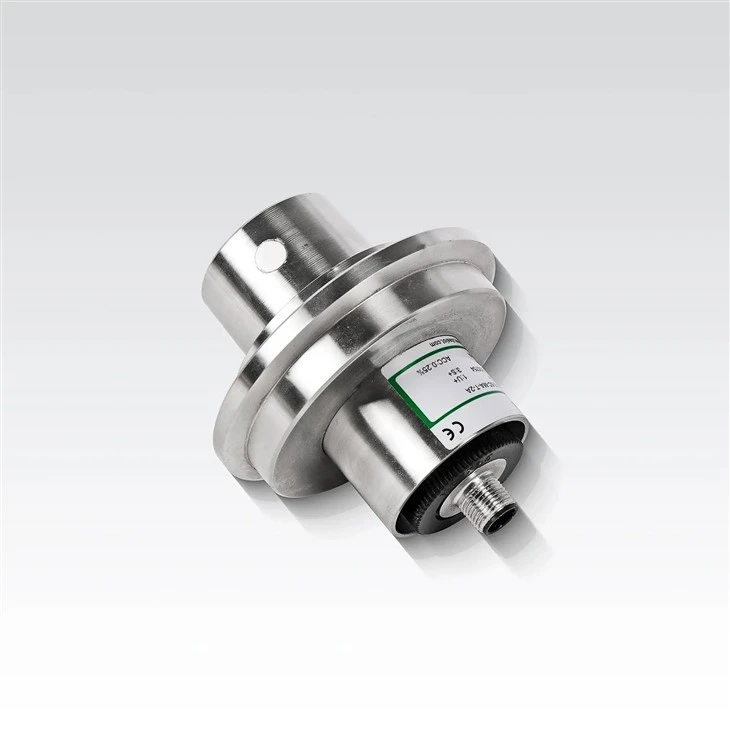
One of our popular products is the MEMS Pressure Sensor for Shield Tunneling Machine. This sensor is specifically designed for use in shield tunneling machines, where it can accurately measure the pressure of the soil and slurry. It features a robust design, high accuracy, and excellent temperature compensation, making it suitable for the harsh environment of tunneling operations.
In addition to the shield tunneling sensor, we also offer MEMS pressure transmitters for other applications, such as automotive, medical, and industrial automation. Our products are available in different pressure ranges, accuracy levels, and output signals to meet your specific requirements.
Making the Right Choice
When choosing a MEMS pressure transmitter, it's important to evaluate your specific needs and requirements carefully. Consider the factors mentioned above and compare different products from various suppliers. Look for a supplier that has a good reputation, provides excellent customer support, and offers reliable products.
If you have any questions or need further assistance in choosing the right MEMS pressure transmitter for your application, please don't hesitate to contact us. Our team of experts is always ready to help you make the best decision. We can provide you with detailed product information, technical specifications, and application support to ensure that you get the most suitable transmitter for your needs.
Conclusion
Choosing the right MEMS pressure transmitter is a critical decision that requires careful consideration of various factors. By understanding your application requirements, evaluating different products, and working with a reliable supplier, you can select a transmitter that provides accurate, reliable, and cost-effective pressure measurements. As a leading supplier of MEMS Pressure Transmitters, we are committed to providing high-quality products and excellent customer service. Contact us today to discuss your pressure measurement needs and let us help you find the perfect solution.
References
- "MEMS Pressure Sensors: Technology and Applications" by John Doe
- "Industrial Pressure Transmitters: A Comprehensive Guide" by Jane Smith