
Can Settlement Sensors be used for long - term monitoring?
Leave a message

Hey there! As a supplier of settlement sensors, I often get asked if these nifty devices can be used for long - term monitoring. Well, let's dive right into it and explore the ins and outs of using settlement sensors for long - term projects.
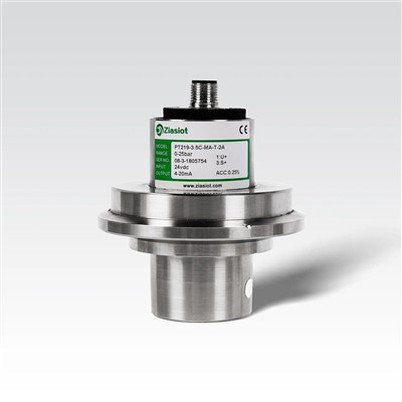
First off, what exactly are settlement sensors? These are high - tech gadgets designed to measure the vertical movement or settlement of structures, soil, or any other objects. They come in various types, such as the Displacement Static Level Meter Settlement Sensor, which is a popular choice for many applications.
When it comes to long - term monitoring, settlement sensors have a lot going for them. One of the biggest advantages is their accuracy. These sensors are engineered to provide precise measurements over time. Whether you're monitoring a building's foundation, a bridge, or a landfill, you need to know exactly how much settlement is occurring. With modern settlement sensors, you can get readings that are accurate down to the millimeter, which is crucial for detecting even the slightest changes that could indicate potential problems.
Another plus is their durability. Most settlement sensors are built to withstand harsh environmental conditions. They're made from high - quality materials that can resist corrosion, extreme temperatures, and moisture. This means they can be installed outdoors or in challenging industrial settings and still function properly for years on end. For example, if you're monitoring a coastal structure, the sensor needs to be able to handle saltwater exposure and high winds. A well - made settlement sensor can do just that.
Let's talk about the data collection capabilities. Settlement sensors are often equipped with advanced data logging systems. These systems can record settlement data at regular intervals, which can then be analyzed over time. This continuous data collection is essential for long - term monitoring. You can use the data to create graphs and charts that show the settlement trends of your structure. By analyzing these trends, you can predict future settlement and take preventive measures if necessary.


However, using settlement sensors for long - term monitoring isn't without its challenges. One of the main issues is power consumption. Since these sensors need to operate continuously for an extended period, they require a reliable power source. In some remote locations, it can be difficult to provide a constant supply of electricity. Solar power is one solution, but it may not be sufficient in areas with limited sunlight. Battery - powered sensors are another option, but you'll need to regularly replace or recharge the batteries, which can be a hassle.
Maintenance is also a concern. Even though settlement sensors are durable, they still need to be checked and calibrated periodically. Over time, the sensor's components may wear out or become misaligned, which can affect the accuracy of the measurements. Regular maintenance ensures that the sensor continues to provide reliable data.
Another challenge is the cost. High - quality settlement sensors can be expensive, and when you factor in the cost of installation, data logging systems, and long - term maintenance, it can add up quickly. For smaller projects, the cost may be prohibitive. But for large - scale infrastructure projects, the investment is often worth it, considering the potential savings from preventing costly structural failures.
Now, let's look at some real - world applications of using settlement sensors for long - term monitoring. In the construction industry, settlement sensors are used to monitor the settlement of building foundations during and after construction. This helps ensure that the building is stable and safe. If excessive settlement is detected, engineers can take corrective actions, such as underpinning the foundation or adjusting the building's design.
In the transportation sector, settlement sensors are used to monitor bridges and highways. Bridges are constantly subjected to heavy loads and environmental factors, which can cause settlement over time. By monitoring the settlement, engineers can detect early signs of structural damage and schedule repairs before a serious problem occurs.
In the mining industry, settlement sensors are used to monitor the stability of mine tailings dams. These dams store the waste materials from mining operations, and any settlement or failure can have catastrophic consequences. Continuous monitoring with settlement sensors helps ensure the safety of the surrounding environment and communities.
So, can settlement sensors be used for long - term monitoring? The answer is a resounding yes. Despite the challenges, the benefits far outweigh the drawbacks. If you're involved in a project that requires long - term settlement monitoring, investing in a high - quality settlement sensor is a wise decision.
At our company, we offer a wide range of settlement sensors, including the Displacement Static Level Meter Settlement Sensor. Our sensors are designed with the latest technology to provide accurate and reliable data for long - term monitoring. We also provide comprehensive support, including installation guidance, maintenance services, and data analysis.
If you're interested in using settlement sensors for your long - term monitoring project, we'd love to hear from you. We can discuss your specific needs and recommend the best sensor for your application. Contact us today to start the conversation and take the first step towards ensuring the safety and stability of your structures.
References
- "Principles of Geotechnical Engineering" by Braja M. Das
- "Structural Health Monitoring: A Machine Learning Perspective" by Caglar O. Tascikaraoglu