Can MEMS pressure transmitters be used in marine applications?
Leave a message

Hey there! As a supplier of MEMS pressure transmitters, I often get asked if these nifty devices can be used in marine applications. Well, let's dive right in and explore this topic together.
First off, what the heck are MEMS pressure transmitters? MEMS stands for Micro-Electro-Mechanical Systems. These transmitters are basically super tiny devices that can measure pressure. They're made using semiconductor manufacturing techniques, which means they're small, lightweight, and can be mass - produced at a relatively low cost.
Now, let's talk about marine applications. The marine environment is a tough one. It's full of challenges like saltwater corrosion, high humidity, extreme temperatures, and rough vibrations. So, can MEMS pressure transmitters handle all this?
Advantages of Using MEMS Pressure Transmitters in Marine Applications
Size and Weight
One of the biggest advantages of MEMS pressure transmitters is their size and weight. In marine applications, space is often at a premium. Whether it's on a small boat or a large ship, every inch of space counts. MEMS pressure transmitters are so small that they can be easily integrated into tight spaces without adding much weight. This is a huge plus, especially for applications where weight is a critical factor, like on unmanned underwater vehicles (UUVs).
Cost - Effectiveness
As I mentioned earlier, MEMS pressure transmitters can be mass - produced, which drives down the cost. In the marine industry, where there are often a large number of sensors needed for various systems, cost is a major consideration. Using MEMS pressure transmitters can help keep the overall cost of a project in check without sacrificing too much on performance.
High Sensitivity
MEMS pressure transmitters are known for their high sensitivity. They can detect even the slightest changes in pressure, which is crucial in many marine applications. For example, in oceanographic research, scientists need to measure very small changes in water pressure to study things like ocean currents and tides. MEMS pressure transmitters can provide the level of accuracy required for these types of studies.
Fast Response Time
Another great feature of MEMS pressure transmitters is their fast response time. In the dynamic marine environment, things can change quickly. Whether it's a sudden change in water depth or a wave passing by, MEMS pressure transmitters can quickly detect these changes and provide real - time data. This is essential for applications like navigation and control systems on ships.
Challenges of Using MEMS Pressure Transmitters in Marine Applications
Corrosion
Saltwater is extremely corrosive, and it can quickly damage electronic components. MEMS pressure transmitters are no exception. The tiny structures inside these transmitters can be easily corroded by saltwater, which can lead to a loss of performance or even complete failure. To combat this, manufacturers need to use special coatings and materials that are resistant to corrosion. For example, some MEMS pressure transmitters are coated with a thin layer of parylene, which provides a barrier against saltwater.
Humidity
High humidity is another challenge in the marine environment. Moisture can seep into the MEMS pressure transmitters and cause short circuits or other electrical problems. To deal with this, the transmitters need to be properly sealed. Some manufacturers use hermetic sealing techniques to keep moisture out. However, this can add to the cost and complexity of the device.
Vibration and Shock
Ships and other marine vessels are constantly exposed to vibrations and shocks. These mechanical forces can damage the delicate MEMS structures inside the pressure transmitters. To make them more robust, manufacturers often use shock - absorbing materials and design the transmitters to be more resistant to vibration.
Real - World Marine Applications of MEMS Pressure Transmitters
Depth Measurement
One of the most common marine applications of MEMS pressure transmitters is depth measurement. By measuring the water pressure at a certain point, it's possible to calculate the depth. This is important for a variety of reasons, such as navigation, fishing, and underwater exploration. MEMS pressure transmitters can provide accurate depth measurements in real - time, which is essential for safe and efficient operation in the water.
Ballast Control
On ships, ballast control is crucial for maintaining stability. Ballast tanks are filled or emptied with water to adjust the ship's center of gravity. MEMS pressure transmitters can be used to monitor the pressure in the ballast tanks, ensuring that the right amount of water is added or removed at the right time.
Underwater Robotics
Unmanned underwater vehicles (UUVs) and remotely operated vehicles (ROVs) are becoming increasingly important in the marine industry. These vehicles need to be able to navigate and operate in the underwater environment. MEMS pressure transmitters can be used to measure the water pressure around the vehicle, which helps with depth control and navigation. They can also be used to monitor the pressure inside the vehicle's various systems, such as the hydraulic system.
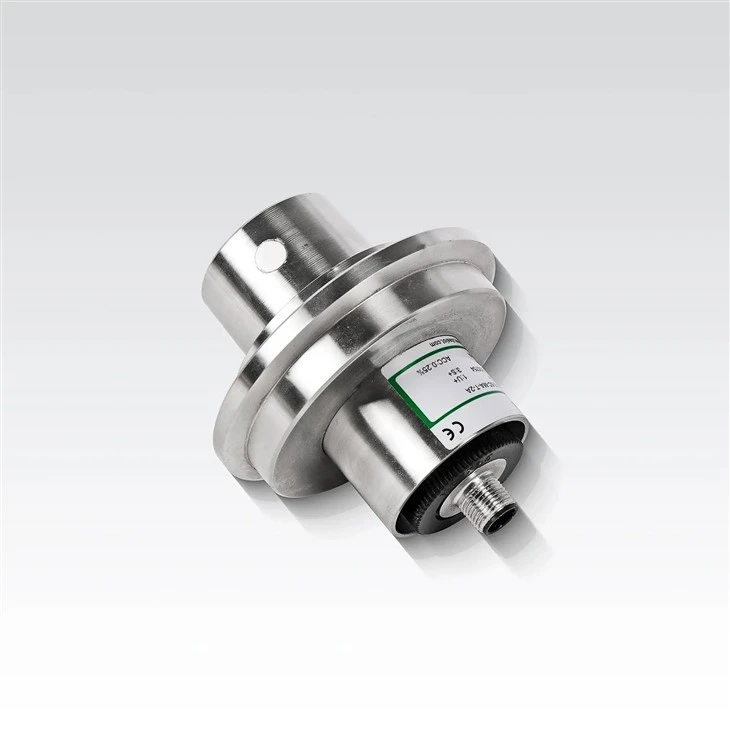
If you're interested in a MEMS pressure sensor specifically designed for challenging environments like those in shield tunneling machines, check out this MEMS Pressure Sensor for Shield Tunneling Machine. It showcases the versatility and adaptability of MEMS technology in different industrial settings.

Conclusion
So, can MEMS pressure transmitters be used in marine applications? The answer is a resounding yes! They offer many advantages such as small size, cost - effectiveness, high sensitivity, and fast response time. However, they also face challenges like corrosion, humidity, and vibration. With the right design and manufacturing techniques, these challenges can be overcome.
If you're in the marine industry and are looking for reliable pressure measurement solutions, MEMS pressure transmitters could be a great option for you. We, as a supplier of MEMS pressure transmitters, have the expertise and experience to provide you with high - quality products that are suitable for your specific marine applications. Whether you need a transmitter for depth measurement, ballast control, or underwater robotics, we can help. Don't hesitate to reach out to us for more information and to start a procurement discussion. We're here to work with you to find the best MEMS pressure transmitter solution for your needs.
References
- "MEMS Technology and Applications in the Marine Environment," Journal of Marine Engineering
- "Corrosion Resistance of Electronic Components in Saltwater," Electronics and Corrosion Research Journal
- "Design Considerations for MEMS Pressure Transmitters in High - Vibration Environments," Mechanical Engineering Review