
Can melt pressure gauges be used in pharmaceutical production?
Leave a message

Hey there! As a supplier of Melt Pressure Gauges, I often get asked if these nifty devices can be used in pharmaceutical production. Well, let's dive right into this topic and find out.


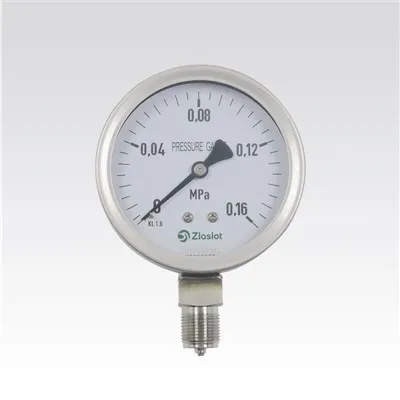
First off, what are melt pressure gauges? These are instruments designed to measure the pressure of molten materials. They come in different types, like Digital Melt Presssure Gauges, Vacuum Digital Pressure Gauge, and Mechanical Presssure Gauge. Each type has its own set of features and benefits, but they all serve the same basic purpose: to accurately measure pressure in a molten state.
Now, let's talk about pharmaceutical production. This is a highly regulated industry where precision, safety, and quality are of the utmost importance. Every step of the production process, from raw material handling to final product packaging, must adhere to strict guidelines and standards. So, the question is, can melt pressure gauges fit into this demanding environment?
One of the key requirements in pharmaceutical production is the ability to maintain a consistent and controlled environment. Melt pressure gauges can play a crucial role in this aspect. For example, in the manufacturing of pharmaceutical capsules or tablets, the molten materials need to be processed at a specific pressure to ensure the proper formation and quality of the final product. By using a melt pressure gauge, manufacturers can monitor and adjust the pressure in real-time, ensuring that the production process stays within the desired parameters.
Another important factor is hygiene. In the pharmaceutical industry, cleanliness is non-negotiable. Melt pressure gauges can be designed to meet the strict hygiene standards of this industry. They can be made from materials that are resistant to corrosion and easy to clean, such as stainless steel. Additionally, some gauges are equipped with special seals and coatings to prevent the ingress of contaminants, ensuring that the measured pressure is accurate and the production environment remains clean.
Accuracy is also a major concern in pharmaceutical production. A small error in pressure measurement can have a significant impact on the quality and efficacy of the final product. Melt pressure gauges are designed to provide highly accurate readings, even in challenging conditions. They use advanced sensor technology and calibration methods to ensure that the measured pressure is as close to the actual value as possible. This level of accuracy is essential for maintaining the quality and consistency of pharmaceutical products.
However, it's not all smooth sailing. There are some challenges that need to be addressed when using melt pressure gauges in pharmaceutical production. One of the main challenges is the compatibility of the gauge with the pharmaceutical materials. Some materials may be highly corrosive or abrasive, which can damage the gauge over time. It's important to choose a gauge that is specifically designed to withstand the chemical and physical properties of the materials being processed.
Another challenge is the integration of the melt pressure gauge into the existing production system. Pharmaceutical production lines are often complex and highly automated, and the gauge needs to be able to communicate effectively with other equipment and control systems. This requires careful planning and coordination to ensure that the gauge can be seamlessly integrated into the production process.
In addition to these technical challenges, there are also regulatory requirements that need to be considered. The pharmaceutical industry is subject to strict regulations from various government agencies, such as the Food and Drug Administration (FDA) in the United States. These regulations govern every aspect of pharmaceutical production, including the use of measuring instruments. It's important to ensure that the melt pressure gauge meets all the relevant regulatory requirements before using it in pharmaceutical production.
So, to sum it up, yes, melt pressure gauges can be used in pharmaceutical production. They offer a number of benefits, including accurate pressure measurement, hygiene, and compatibility with the production environment. However, there are also some challenges that need to be addressed, such as material compatibility, system integration, and regulatory compliance. By carefully considering these factors and choosing the right gauge for the job, pharmaceutical manufacturers can effectively use melt pressure gauges to improve the quality and efficiency of their production processes.
If you're in the pharmaceutical industry and are interested in learning more about how melt pressure gauges can benefit your production process, I'd love to hear from you. Whether you have questions about our products, need help choosing the right gauge for your application, or are ready to start a procurement process, don't hesitate to reach out. We're here to provide you with the best solutions and support to meet your needs.
References
- "Good Manufacturing Practices for Pharmaceuticals," U.S. Food and Drug Administration.
- "Pressure Measurement in the Pharmaceutical Industry," Journal of Pharmaceutical Sciences.