
Can Indicators and Controllers be used in home automation?
Leave a message

In the era of rapid technological advancement, home automation has emerged as a revolutionary concept that is transforming the way we live. It offers convenience, energy efficiency, and enhanced security by integrating various devices and systems in a home. A question that often arises is whether indicators and controllers can be effectively used in home automation. As a supplier of high - quality indicators and controllers, I am well - positioned to explore this topic in depth.
The Role of Indicators and Controllers in General Systems
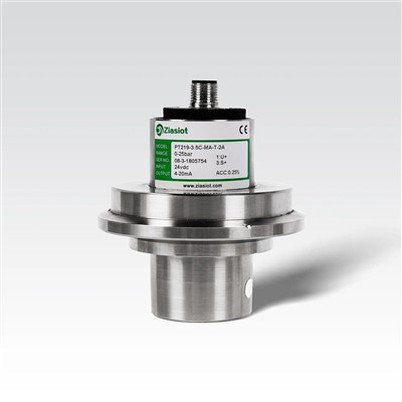
Before delving into their application in home automation, it's essential to understand what indicators and controllers are and their general functions. Indicators are devices that provide visual or audible signals to convey information about a particular system parameter. For example, a Homogenizer Digital Pressure Gauge is an indicator that shows the pressure within a homogenizer system. It gives users a clear and immediate understanding of the system's status, allowing them to take appropriate action if the pressure goes out of the normal range.
Controllers, on the other hand, are designed to regulate and manage system variables. A Temperature Controller is a classic example. It can sense the temperature of a room or a specific device and adjust the heating or cooling system accordingly to maintain the desired temperature. In industrial and commercial settings, indicators and controllers play a crucial role in ensuring the smooth operation of complex systems, improving efficiency, and preventing equipment damage.
Application of Indicators and Controllers in Home Automation
Energy Management
One of the primary goals of home automation is energy efficiency. Indicators and controllers can significantly contribute to this objective. For instance, smart thermostats, which are essentially temperature controllers, can learn the occupants' behavior patterns. They can adjust the temperature based on the time of day, occupancy, and even weather conditions. By accurately controlling the heating and cooling systems, these devices can reduce energy consumption and lower utility bills.
Lighting is another area where indicators and controllers can be useful. A light intensity indicator can measure the amount of natural light in a room. Based on this information, a controller can adjust the artificial lighting levels. For example, if there is sufficient natural light during the day, the controller can dim or turn off the lights, saving energy.
Security and Monitoring
Home security is a top concern for homeowners. Indicators and controllers can enhance security systems. Motion sensors can act as indicators, detecting any movement within a specific area. When motion is detected, a controller can trigger an alarm, send a notification to the homeowner's mobile device, or activate surveillance cameras.
Door and window sensors are also indicators that can be integrated into a home automation system. They can detect if a door or window is opened or closed. A controller can then take appropriate actions, such as locking the doors if an unauthorized entry is detected or sending an alert to the security company.
Comfort and Convenience
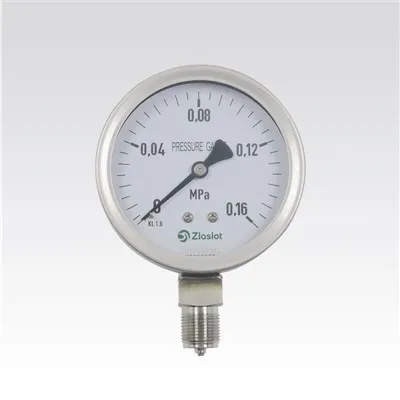
Indicators and controllers can greatly improve the comfort and convenience of a home. A Pressure Temperature Indicator can be used in a home's water supply system. It can show the water pressure and temperature, allowing the homeowner to adjust the settings for a more comfortable shower or bath.
Smart home appliances, such as refrigerators and washing machines, can also benefit from indicators and controllers. A refrigerator can have an indicator that shows the internal temperature and food storage conditions. A controller can adjust the cooling settings to ensure optimal food preservation.
Advantages of Using Indicators and Controllers in Home Automation
Improved Precision
Indicators and controllers offer a high level of precision in monitoring and controlling home systems. Unlike manual adjustments, which can be imprecise and inconsistent, these devices can accurately measure and regulate variables. For example, a digital temperature controller can maintain the room temperature within a narrow range, providing a more comfortable living environment.
Remote Access and Control
Many modern indicators and controllers support remote access through smartphones or other internet - connected devices. Homeowners can monitor and control their home systems from anywhere in the world. For instance, if you are on vacation and realize you forgot to turn off the lights, you can use your phone to turn them off remotely.
Data Logging and Analysis
Some indicators and controllers have data - logging capabilities. They can record system parameters over time, allowing homeowners to analyze the data and make informed decisions. For example, by analyzing the energy consumption data from a smart thermostat, a homeowner can identify patterns and take steps to further reduce energy usage.
Challenges and Considerations
Compatibility
One of the main challenges in using indicators and controllers in home automation is compatibility. Different devices may use different communication protocols, making it difficult to integrate them into a single system. As a supplier, we understand this challenge and strive to provide products that are compatible with a wide range of home automation platforms.
Cost
The initial cost of installing indicators and controllers in a home automation system can be relatively high. However, it's important to consider the long - term benefits, such as energy savings and improved comfort. Over time, the cost can be offset by the reduced utility bills and enhanced home value.
Technical Expertise
Installing and configuring indicators and controllers may require some technical expertise. Homeowners may need to hire a professional installer or spend time learning how to set up the devices themselves. As a supplier, we offer technical support to help our customers with installation and configuration.
Conclusion
In conclusion, indicators and controllers can play a vital role in home automation. They offer numerous benefits, including energy efficiency, improved security, enhanced comfort, and convenience. Although there are some challenges, such as compatibility, cost, and technical expertise, the advantages far outweigh the drawbacks.
As a leading supplier of indicators and controllers, we are committed to providing high - quality products that meet the needs of home automation systems. Our Homogenizer Digital Pressure Gauge, Pressure Temperature Indicator, and Temperature Controller are just a few examples of our innovative products.


If you are interested in incorporating indicators and controllers into your home automation system, we invite you to contact us for a detailed discussion. Our team of experts is ready to assist you in selecting the right products and providing professional installation and support services.
References
- Automation Handbook, 4th Edition, by David W. Spitzer
- Home Automation for Dummies, by Doug Lowe