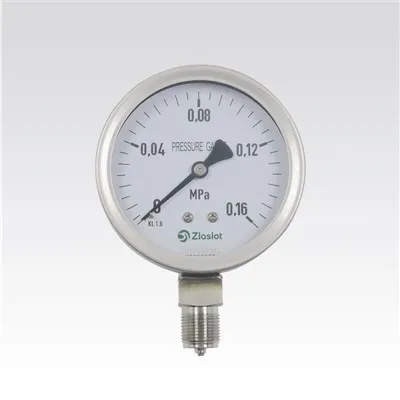

Can ceramic pressure transmitters be used in medical equipment?
Leave a message

Can ceramic pressure transmitters be used in medical equipment?
In the dynamic world of medical technology, the demand for reliable, accurate, and durable components is ever - present. One such component that has been gaining attention is the ceramic pressure transmitter. As a supplier of ceramic pressure transmitters, I am well - positioned to explore the feasibility and advantages of using these devices in medical equipment.
1. The Basics of Ceramic Pressure Transmitters
Ceramic pressure transmitters are instruments designed to measure pressure and convert it into an electrical signal. They are built around a ceramic sensing element, which is known for its excellent mechanical and chemical properties. The ceramic material offers high stiffness, low creep, and good resistance to corrosion. These features contribute to the long - term stability and accuracy of the pressure measurement.
There are different types of ceramic pressure transmitters in our product range. For example, the Standard Ceramic Pressure Transmitter is a versatile option that provides accurate pressure readings across a wide range of applications. It is designed with a robust ceramic diaphragm that deforms under pressure, and this deformation is then translated into an electrical output.
The Anti - Crossive Pressure Transmitter is another product in our portfolio. This type of transmitter is specifically engineered to reduce cross - sensitivity, which means it can provide more precise pressure measurements even in complex environments where there may be multiple influencing factors.
2. Requirements for Medical Equipment
Medical equipment is subject to strict standards and requirements. First and foremost, accuracy is of the essence. Any equipment used in a medical setting needs to provide precise measurements to ensure proper diagnosis and treatment. For example, in blood pressure monitors, a small error in pressure measurement can lead to misdiagnosis of hypertension or hypotension.


Reliability is also crucial. Medical devices are often used in critical situations, and any failure can have serious consequences for patients. The equipment must be able to operate continuously without breakdowns over long periods.
In addition, medical equipment needs to be biocompatible. This means that the materials used in the equipment should not cause any harmful reactions when in contact with the human body. For example, in invasive medical devices, the components must be made of materials that do not trigger an immune response or cause toxicity.
3. Suitability of Ceramic Pressure Transmitters for Medical Equipment
Accuracy
Ceramic pressure transmitters can offer high levels of accuracy. The ceramic sensing element has a linear response to pressure changes, which allows for precise measurement of pressure values. The manufacturing process of these transmitters is highly controlled, ensuring that the calibration is accurate and consistent. This accuracy makes them suitable for applications such as blood pressure monitoring, ventilators, and dialysis machines, where precise pressure measurements are required.
Reliability
The durability of ceramic materials contributes to the reliability of ceramic pressure transmitters. Ceramics are resistant to wear, corrosion, and high - temperature environments. This means that the transmitters can withstand the rigors of continuous use in medical settings. They are less likely to fail due to mechanical stress or chemical degradation, reducing the risk of equipment malfunction during critical medical procedures.
Biocompatibility
Many ceramic materials used in pressure transmitters are biocompatible. The inert nature of ceramics means they do not react with biological fluids or tissues. This property allows ceramic pressure transmitters to be used in both non - invasive and invasive medical applications. For example, in non - invasive applications, they can be used in external blood pressure cuffs, while in invasive applications, they can be incorporated into catheters or other devices that come into direct contact with the body.
4. Applications of Ceramic Pressure Transmitters in Medical Equipment
Blood Pressure Monitoring
Blood pressure is a vital physiological parameter that needs to be accurately measured. Ceramic pressure transmitters can be used in both manual and automatic blood pressure monitors. In automatic monitors, the transmitter measures the pressure changes in the cuff as it inflates and deflates, providing an accurate reading of systolic and diastolic blood pressure. The high accuracy and reliability of ceramic pressure transmitters ensure that the blood pressure measurements are consistent and trustworthy.
Ventilators
Ventilators are life - saving devices used to assist patients with breathing difficulties. They need to precisely control the pressure and flow of air delivered to the patient's lungs. Ceramic pressure transmitters play a crucial role in ventilators by measuring the pressure inside the breathing circuit. This information is used to adjust the settings of the ventilator to ensure that the patient receives the appropriate amount of air at the right pressure.
Dialysis Machines
Dialysis machines are used to filter waste products and excess fluid from the blood of patients with kidney failure. These machines rely on pressure sensors to monitor the pressure in the blood circuit and the dialysate circuit. Ceramic pressure transmitters can provide accurate pressure measurements, which are essential for the safe and effective operation of dialysis machines.
5. Challenges and Considerations
While ceramic pressure transmitters offer many advantages for medical equipment, there are also some challenges and considerations. One challenge is the cost. The manufacturing process of high - quality ceramic pressure transmitters can be relatively expensive, which may increase the overall cost of medical equipment. However, as technology advances and production volumes increase, the cost is expected to become more competitive.
Another consideration is the need for proper calibration and maintenance. To ensure the accuracy and reliability of the pressure measurements, ceramic pressure transmitters need to be calibrated regularly. Medical equipment manufacturers and users need to have a proper calibration and maintenance plan in place.
6. Conclusion
In conclusion, ceramic pressure transmitters can indeed be used in medical equipment. Their accuracy, reliability, and biocompatibility make them suitable for a wide range of medical applications, from blood pressure monitoring to life - saving ventilators. As a supplier of ceramic pressure transmitters, we are committed to providing high - quality products that meet the strict requirements of the medical industry.
If you are a medical equipment manufacturer or a healthcare provider interested in incorporating ceramic pressure transmitters into your equipment, we invite you to contact us for further information and to discuss your specific needs. Our team of experts is ready to assist you in finding the most suitable ceramic pressure transmitter for your application.
References
- "Medical Device Technology Handbook", edited by Joseph D. Bronzino.
- "Pressure Measurement: Principles and Applications", by Richard W. Miller.
- Industry standards and guidelines for medical equipment safety and performance.