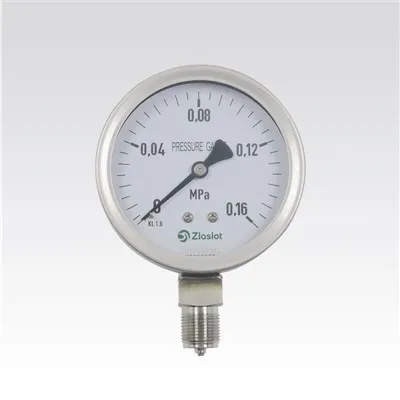

Can a Homogenizer Pressure Gauge be calibrated?
Leave a message

Can a Homogenizer Pressure Gauge be Calibrated?
As a trusted supplier of homogenizer pressure gauges, I often encounter inquiries regarding the calibration of these essential instruments. Calibration is a critical process that ensures the accuracy and reliability of pressure gauges, which is vital for the proper functioning of homogenizers in various industries, including food and beverage, pharmaceutical, and chemical. In this blog post, I will delve into the topic of calibrating homogenizer pressure gauges, exploring the reasons for calibration, the calibration process, and the benefits it offers.
Why Calibration is Necessary
Homogenizer pressure gauges are used to measure the pressure within the homogenization chamber, providing operators with crucial information to control the process effectively. Over time, however, these gauges can experience wear and tear, which may lead to inaccurate readings. Factors such as mechanical stress, temperature variations, and exposure to harsh chemicals can all contribute to gauge drift, where the gauge's readings deviate from the actual pressure.
Inaccurate pressure readings can have serious consequences for the homogenization process. If the pressure is too low, the homogenization may not be effective, resulting in poor product quality. On the other hand, if the pressure is too high, it can cause damage to the homogenizer and pose a safety risk to operators. Therefore, regular calibration is essential to ensure that the pressure gauge provides accurate readings, maintaining the quality and safety of the homogenization process.
The Calibration Process
Calibrating a homogenizer pressure gauge involves comparing its readings to a known standard to determine any deviations. The calibration process typically follows a series of steps:
- Selection of a Calibration Standard: A calibrated reference gauge or a pressure calibration device with a known accuracy is selected as the standard. This standard should have a higher accuracy than the gauge being calibrated.
- Preparation of the Gauge: The pressure gauge is cleaned and inspected for any visible damage or signs of wear. It is then installed in a calibration setup, ensuring proper connections and sealing.
- Zero and Span Adjustment: The gauge is zeroed to ensure that it reads zero pressure when there is no pressure applied. The span is then adjusted to match the readings of the calibration standard at a specific pressure point.
- Multiple Point Calibration: The gauge is calibrated at multiple pressure points across its operating range to ensure accuracy throughout the entire range. The readings are compared to the calibration standard, and any deviations are recorded.
- Adjustment and Verification: If any deviations are found, the gauge is adjusted to correct the readings. The calibration process is then repeated to verify the accuracy of the adjustments.
- Documentation: The calibration results are documented, including the date of calibration, the calibration standard used, the pressure points tested, and any adjustments made. This documentation serves as a record of the gauge's calibration history and can be used for quality control and regulatory compliance.
Benefits of Calibration
Calibrating a homogenizer pressure gauge offers several benefits, including:
- Accurate Readings: Calibration ensures that the pressure gauge provides accurate readings, allowing operators to control the homogenization process effectively and maintain product quality.
- Improved Safety: Accurate pressure readings help prevent overpressure situations, reducing the risk of damage to the homogenizer and ensuring the safety of operators.
- Compliance with Standards: Many industries have specific standards and regulations regarding the accuracy of pressure gauges. Calibration helps ensure compliance with these standards, avoiding potential fines and legal issues.
- Extended Gauge Lifespan: Regular calibration helps identify and address any issues with the pressure gauge early on, preventing premature wear and tear and extending the gauge's lifespan.
- Cost Savings: By ensuring accurate readings and preventing equipment damage, calibration can help reduce downtime, maintenance costs, and product waste, resulting in significant cost savings over time.
Our Range of Homogenizer Pressure Gauges
As a supplier of homogenizer pressure gauges, we offer a wide range of products to meet the diverse needs of our customers. Our gauges are available in various types, including Mechanical Presssure Gauge, Digital Melt Presssure Gauges, and Vacuum Digital Pressure Gauge. Each type of gauge has its own unique features and advantages, allowing you to choose the one that best suits your specific application.
Our mechanical pressure gauges are reliable and durable, providing accurate readings in a variety of environments. They are available in different sizes and pressure ranges, making them suitable for a wide range of homogenization applications. Our digital melt pressure gauges offer high accuracy and precision, with features such as digital displays, programmable alarms, and data logging capabilities. They are ideal for applications where precise pressure control is required. Our vacuum digital pressure gauges are designed to measure negative pressures, making them suitable for applications such as vacuum homogenization.
Contact Us for Calibration and Procurement
If you have a homogenizer pressure gauge that needs calibration or if you are looking to purchase a new gauge, we are here to help. Our team of experts has extensive experience in calibrating and supplying pressure gauges, and we can provide you with the highest quality products and services.
We offer calibration services for all types of homogenizer pressure gauges, ensuring that they meet the highest standards of accuracy and reliability. Our calibration process is performed using state-of-the-art equipment and follows strict quality control procedures to ensure the accuracy of the results.
In addition to calibration services, we also offer a wide range of homogenizer pressure gauges for sale. Our gauges are sourced from leading manufacturers and are backed by our commitment to quality and customer satisfaction. Whether you need a mechanical pressure gauge, a digital melt pressure gauge, or a vacuum digital pressure gauge, we have the right product for you.


To learn more about our calibration services and pressure gauge products, or to discuss your specific requirements, please contact us today. We look forward to working with you to ensure the accuracy and reliability of your homogenizer pressure gauges.
References
- "Pressure Gauge Calibration: A Comprehensive Guide." InstrumentationTools.com.
- "The Importance of Pressure Gauge Calibration." Fluke Corporation.
- "Calibration of Pressure Gauges." Omega Engineering.