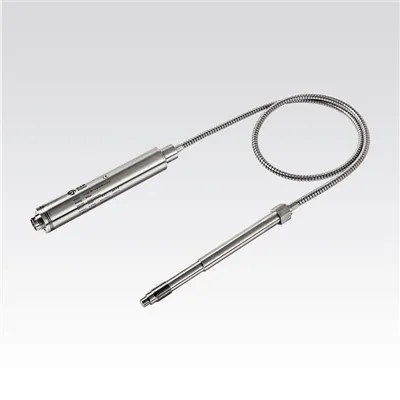
Installation and usage instructions for pressure transmitters
Leave a message
Before installing and using the pressure transmitter, it is necessary to carefully read the product sample and user manual. During installation, the pressure interface should not leak, and ensure that the range and wiring are correct. The casing of pressure sensors and transmitters generally needs to be grounded, and signal cables should not be mixed with power cables. Strong electromagnetic interference should be avoided around sensors and transmitters.
Instructions for use
Daily maintenance
1. Check the size of the installation hole: If the size of the installation hole is not appropriate, the threaded part of the sensor is easily worn during installation. This not only affects the sealing performance of the equipment, but also prevents the pressure sensor from fully functioning, and may even create safety hazards. Only suitable mounting holes can avoid thread wear (thread industry standard 1/2-20 UNF 2B), and mounting hole measuring instruments can usually be used to detect mounting holes and make appropriate adjustments.
2. Keeping the installation holes clean: Keeping the installation holes clean and preventing molten material blockage is crucial for ensuring the normal operation of the equipment. Before cleaning the extruder, all pressure sensors should be removed from the barrel to avoid damage. When removing the sensor, molten material may flow into the installation hole and harden. If these residual molten materials are not removed, it may cause damage to the top of the sensor when reinstalled. The cleaning tool kit can remove these residual molten materials. However, repeated cleaning processes may deepen the damage caused to the sensor by mounting holes. If this situation occurs, measures should be taken to raise the position of the sensor in the installation hole.
3. Choose the appropriate location: When the installation position of the pressure sensor is too close to the upstream of the production line, unmelted materials may wear the top of the sensor; If the sensor is installed too far back, there may be a stagnation zone of molten material between the sensor and the screw stroke, where the molten material may degrade and the pressure signal may be distorted; If the sensor is too deep into the barrel, the screw may touch the top of the sensor during rotation and cause damage. Generally speaking, sensors can be located on the barrel in front of the filter, in front and behind the melt pump, or in the mold.
4. Carefully clean; Before using a wire brush or special compound to clean the extruder barrel, all sensors should be removed. Because both cleaning methods may cause damage to the vibration film of the sensor. When the cylinder is heated, the sensor should also be removed and wiped on top with a soft cloth that will not cause wear. At the same time, the holes of the sensor need to be cleaned with a clean drilling machine and guide sleeve.