What is the response time of MEMS pressure transmitters?
Leave a message

As a supplier of MEMS pressure transmitters, I often encounter inquiries from customers about the response time of these devices. Response time is a critical parameter in many applications, as it determines how quickly a pressure transmitter can detect and report changes in pressure. In this blog post, I will delve into the concept of response time in MEMS pressure transmitters, exploring what it is, why it matters, and how it is measured.
What is Response Time?
Response time refers to the time it takes for a pressure transmitter to respond to a step change in pressure and reach a specified percentage of its final output value. Typically, the response time is defined as the time required for the output to reach 90% (T90) or 95% (T95) of the final value after a sudden change in pressure. This parameter is crucial in applications where rapid and accurate pressure measurements are essential, such as in industrial automation, aerospace, and automotive systems.
Why Does Response Time Matter?
In many applications, the ability to quickly detect and respond to pressure changes is vital for ensuring safety, efficiency, and performance. For example, in a hydraulic system, a rapid response time is necessary to prevent overpressure situations that could damage equipment or cause accidents. In the aerospace industry, fast response times are critical for maintaining stable flight conditions and ensuring the safety of passengers and crew. Additionally, in automotive applications, such as engine management systems, quick pressure measurements are essential for optimizing fuel efficiency and reducing emissions.
Factors Affecting Response Time
Several factors can influence the response time of MEMS pressure transmitters. These include:
- Sensor Design: The design of the MEMS pressure sensor itself plays a significant role in determining its response time. Factors such as the size and shape of the sensing element, the material properties, and the manufacturing process can all affect how quickly the sensor can detect and respond to pressure changes.
- Packaging: The packaging of the pressure transmitter can also impact its response time. A well-designed package can protect the sensor from external factors such as temperature, humidity, and mechanical vibrations, while also ensuring efficient heat transfer and electrical connectivity. On the other hand, a poorly designed package can introduce additional delays or noise, reducing the overall performance of the transmitter.
- Signal Conditioning: The signal conditioning circuitry used in the pressure transmitter is responsible for amplifying, filtering, and converting the raw sensor signal into a usable output. The design and performance of this circuitry can have a significant impact on the response time of the transmitter. For example, a high-speed amplifier with low noise and distortion can help to improve the response time and accuracy of the measurement.
- Environmental Conditions: The operating environment can also affect the response time of MEMS pressure transmitters. Factors such as temperature, humidity, and pressure fluctuations can all introduce additional delays or noise into the measurement. For example, at high temperatures, the electrical properties of the sensor and the signal conditioning circuitry can change, leading to a decrease in response time and accuracy.
Measuring Response Time
The response time of MEMS pressure transmitters is typically measured using a step response test. In this test, a sudden change in pressure is applied to the sensor, and the output signal is recorded over time. The response time is then calculated as the time required for the output to reach a specified percentage of the final value.
To ensure accurate and repeatable measurements, it is important to use a calibrated pressure source and a high-speed data acquisition system. The pressure source should be capable of generating a step change in pressure with a fast rise time and a stable amplitude. The data acquisition system should have a high sampling rate and a low noise floor to accurately capture the transient response of the sensor.
Applications Requiring Fast Response Times
There are several applications where fast response times are essential for optimal performance. Some examples include:
- Industrial Automation: In industrial automation systems, such as process control and monitoring, fast response times are necessary to ensure accurate and timely control of pressure-sensitive processes. For example, in a chemical plant, a rapid response time is required to detect and respond to changes in pressure in a reaction vessel, preventing overpressure situations and ensuring the safety of the process.
- Aerospace: In the aerospace industry, fast response times are critical for maintaining stable flight conditions and ensuring the safety of passengers and crew. For example, in an aircraft's hydraulic system, a rapid response time is required to detect and respond to changes in pressure in the control surfaces, ensuring precise control of the aircraft's movement.
- Automotive: In automotive applications, such as engine management systems and tire pressure monitoring systems, fast response times are essential for optimizing fuel efficiency and reducing emissions. For example, in an engine management system, a rapid response time is required to detect and respond to changes in intake manifold pressure, adjusting the fuel injection and ignition timing for optimal performance.
- Medical: In medical applications, such as blood pressure monitoring and ventilator systems, fast response times are necessary to ensure accurate and timely measurements. For example, in a blood pressure monitor, a rapid response time is required to detect and respond to changes in blood pressure, providing accurate readings for diagnosis and treatment.
Our MEMS Pressure Transmitters
At our company, we specialize in providing high-quality MEMS pressure transmitters with fast response times and excellent accuracy. Our products are designed to meet the demanding requirements of a wide range of applications, including industrial automation, aerospace, automotive, and medical.
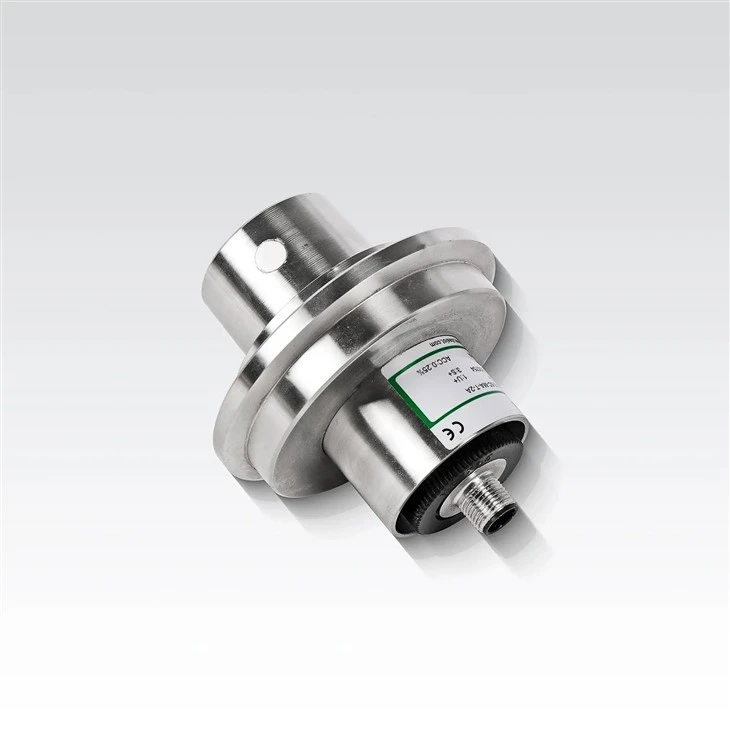
One of our flagship products is the MEMS Pressure Sensor for Shield Tunneling Machine. This sensor is specifically designed for use in shield tunneling machines, where fast response times and high accuracy are essential for ensuring the safety and efficiency of the tunneling process. The sensor features a compact design, high sensitivity, and a wide operating temperature range, making it suitable for use in harsh environments.
In addition to our standard products, we also offer custom-designed MEMS pressure transmitters to meet the specific requirements of our customers. Our experienced engineering team can work closely with you to develop a solution that meets your exact needs, ensuring optimal performance and reliability.
Conclusion
Response time is a critical parameter in MEMS pressure transmitters, as it determines how quickly a sensor can detect and respond to changes in pressure. In applications where rapid and accurate pressure measurements are essential, such as industrial automation, aerospace, automotive, and medical, fast response times are necessary for ensuring safety, efficiency, and performance.
At our company, we are committed to providing high-quality MEMS pressure transmitters with fast response times and excellent accuracy. Our products are designed to meet the demanding requirements of a wide range of applications, and we offer custom-designed solutions to meet the specific needs of our customers. If you are interested in learning more about our MEMS pressure transmitters or would like to discuss your specific requirements, please contact us today to start a procurement negotiation.

References
- Smith, J. (2018). MEMS Pressure Sensors: Principles and Applications. Springer.
- Wang, L., & Zhang, Y. (2019). Design and Optimization of MEMS Pressure Sensors for High-Speed Applications. Journal of Micromechanics and Microengineering, 29(11), 115006.
- Chen, Y., & Li, X. (2020). A Review of MEMS Pressure Sensors for Biomedical Applications. Sensors, 20(1), 134.