
How to troubleshoot a melt pressure indicator?
Leave a message

Hey there! As a supplier of melt pressure indicators, I've seen my fair share of issues with these devices. In this blog, I'm gonna walk you through how to troubleshoot a melt pressure indicator. Whether you're a newbie in the industry or a seasoned pro, these tips should come in handy.
First Things First: Understanding the Basics
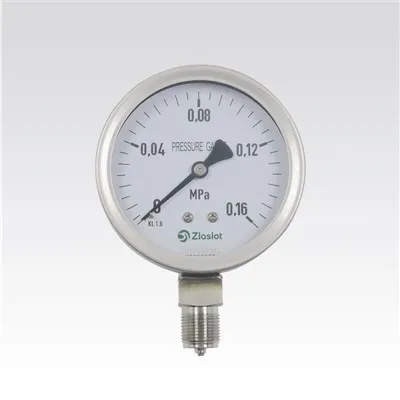
Before we jump into troubleshooting, it's important to have a basic understanding of how a melt pressure indicator works. Simply put, it measures the pressure of molten materials in a process, like in injection molding or extrusion. The indicator usually consists of a sensor that detects the pressure and a display that shows the reading.
Step 1: Check the Power Supply
One of the most common reasons for a melt pressure indicator not working is a problem with the power supply. First, make sure the indicator is properly plugged in. If it's battery - powered, check the batteries. Sometimes, the batteries might be dead or not inserted correctly. If it's connected to an electrical outlet, check if the outlet is working. You can plug in another device to test it.
If the power light on the indicator doesn't come on, there could be an issue with the internal power circuit. In this case, it's best to contact a professional technician. But before you do that, double - check all the connections and power sources.


Step 2: Inspect the Sensor
The sensor is the heart of the melt pressure indicator. If it's not working correctly, the readings will be off. Start by visually inspecting the sensor for any signs of damage, like cracks or leaks. A damaged sensor might not be able to accurately measure the pressure.
Next, check the sensor's connection to the indicator. Make sure the wires are securely attached and there are no loose connections. Sometimes, vibrations or rough handling can cause the wires to come loose.
If you suspect the sensor is faulty, you can try testing it with a known - good pressure source. If the readings are still incorrect, it's likely that the sensor needs to be replaced. We offer high - quality sensors for our melt pressure indicators, so if you need a replacement, just let us know.
Step 3: Examine the Display
The display is what shows you the pressure readings. If the display is blank, flickering, or showing incorrect readings, there could be a problem with it. First, check the brightness settings. Sometimes, the display might be set too low, making it seem like it's not working.
If the display is showing strange characters or symbols, it could be a software issue. Try resetting the indicator to its factory settings. This can usually be done by following the instructions in the user manual.
If resetting doesn't work, there might be a hardware problem with the display. In this case, you might need to replace the display unit. We have a range of replacement displays for our melt pressure indicators, and they're easy to install.
Step 4: Look for Blockages
In some cases, blockages in the pressure line can cause inaccurate readings. The pressure line is the tube that connects the sensor to the molten material. Over time, debris or solidified material can build up in the line, blocking the flow of pressure.
To check for blockages, carefully remove the pressure line from the sensor and inspect it. If you find any blockages, you can try cleaning the line with a suitable solvent or a small wire. Make sure to follow all safety precautions when handling solvents.
If cleaning the line doesn't solve the problem, there could be a more serious blockage inside the sensor or the process equipment. In this situation, it's best to consult with a professional.
Step 5: Calibration
Calibration is crucial for accurate pressure readings. Over time, the melt pressure indicator can drift out of calibration, leading to incorrect readings. Most indicators need to be calibrated periodically, usually according to the manufacturer's recommendations.
If you suspect the indicator is out of calibration, you can try calibrating it yourself if you have the necessary equipment and knowledge. However, for the most accurate results, it's best to have it calibrated by a professional calibration service. We can also assist you with calibration services or provide you with calibration kits.
Related Products
If you're looking for other pressure - related products, we also offer Melt Pressure Controller, Digital Hydraulic Pressure Gauge, and Homogenizer Digital Pressure Gauge. These products are designed to work seamlessly with our melt pressure indicators and can enhance your overall pressure - monitoring system.
Conclusion
Troubleshooting a melt pressure indicator might seem daunting at first, but by following these steps, you can often identify and fix the problem. Remember, if you're ever unsure or if the problem persists, don't hesitate to reach out to us. We're here to support you as a reliable supplier of melt pressure indicators and related products.
If you're in the market for a new melt pressure indicator or need replacement parts, feel free to contact us for a quote. We offer competitive prices and excellent customer service. Let's work together to ensure your pressure - monitoring needs are met.
References
- Manufacturer's user manuals for melt pressure indicators
- Industry best practices for pressure - sensor maintenance and troubleshooting