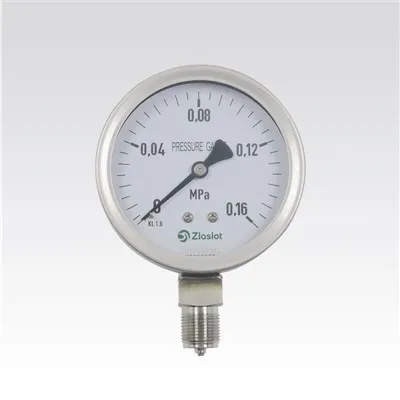

Can MEMS pressure transmitters be integrated with other sensors?
Leave a message

Can MEMS pressure transmitters be integrated with other sensors?
As a supplier of MEMS pressure transmitters, I've often been asked about the possibility of integrating these devices with other sensors. The short answer is yes, and the integration of MEMS pressure transmitters with other sensors can lead to a wide range of benefits and applications.
MEMS (Micro - Electro - Mechanical Systems) pressure transmitters are known for their small size, high accuracy, and low power consumption. These features make them an ideal candidate for integration with other sensors. By combining a MEMS pressure transmitter with other types of sensors, we can create multi - sensor systems that can collect a broader range of data simultaneously, providing more comprehensive information about the environment or the process being monitored.
One of the most common types of sensors that can be integrated with MEMS pressure transmitters is temperature sensors. Temperature can have a significant impact on pressure measurements. For example, in a gas - filled system, an increase in temperature will cause the gas to expand, resulting in an increase in pressure. By integrating a temperature sensor with a MEMS pressure transmitter, we can compensate for the temperature effect on pressure measurements, improving the accuracy of the overall system. In industrial applications such as chemical processing, where precise pressure and temperature monitoring are crucial for safety and quality control, a combined pressure - temperature sensor system can provide real - time data that allows operators to make informed decisions.
Another type of sensor that can be integrated with MEMS pressure transmitters is humidity sensors. In applications such as environmental monitoring and HVAC (Heating, Ventilation, and Air Conditioning) systems, both pressure and humidity are important parameters. High humidity can affect the performance of electronic components, and in some cases, it can also change the pressure in a closed environment. By integrating a humidity sensor with a MEMS pressure transmitter, we can monitor both parameters simultaneously, enabling better control of the environment. For example, in a data center, maintaining the right balance of pressure and humidity is essential to prevent damage to servers and other equipment.
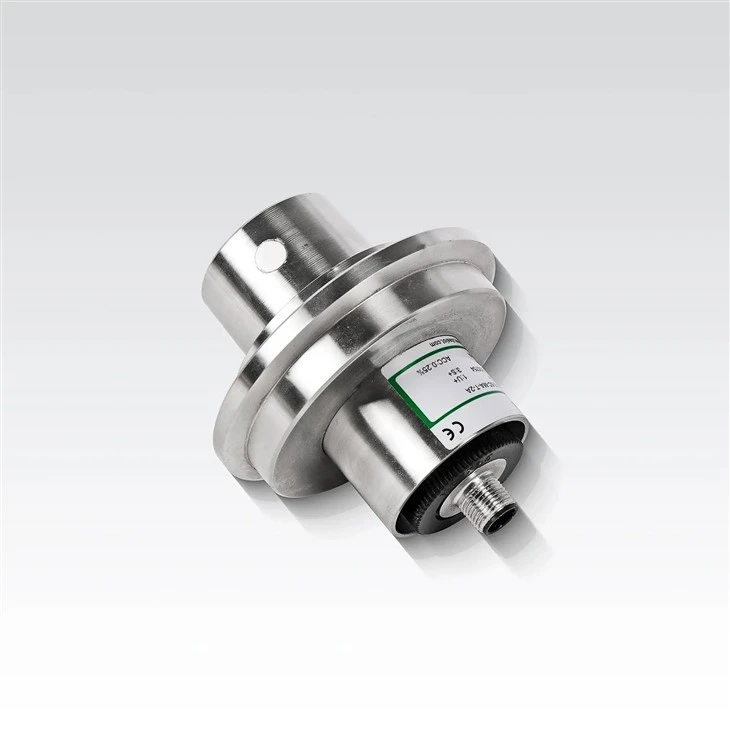

Accelerometers are also good candidates for integration with MEMS pressure transmitters. In automotive and aerospace applications, the combination of pressure and acceleration data can provide valuable information about the vehicle's or aircraft's motion and the forces acting on it. For example, in an automotive airbag system, a MEMS pressure transmitter can be used to detect the pressure change in the airbag chamber, while an accelerometer can measure the vehicle's acceleration. The combined data can be used to determine when to deploy the airbag more accurately.
The integration of MEMS pressure transmitters with other sensors is not only technically feasible but also offers several advantages. Firstly, it reduces the size and complexity of the overall system. Instead of having multiple separate sensors, each with its own wiring and signal - processing unit, a single integrated device can perform multiple functions. This simplifies the installation and maintenance process and also reduces the cost. Secondly, it improves the reliability of the system. With fewer components and connections, there are fewer points of failure, which means that the system is less likely to malfunction.
However, there are also some challenges associated with integrating MEMS pressure transmitters with other sensors. One of the main challenges is the signal - processing and calibration. Each type of sensor generates a different type of signal, and these signals need to be processed and calibrated correctly to ensure accurate and reliable data. For example, the output of a pressure sensor may be in millivolts, while the output of a temperature sensor may be in degrees Celsius. The signal - processing unit needs to be able to convert these different signals into a common format and then combine them to provide meaningful information.
Another challenge is the packaging and thermal management. Different sensors may have different operating temperature ranges and packaging requirements. For example, some sensors may be sensitive to moisture or dust, while others may require a specific type of housing for protection. When integrating these sensors, we need to ensure that the packaging can protect all the sensors and also manage the heat generated by the sensors to prevent overheating.
In the field of shield tunneling, the integration of MEMS pressure transmitters with other sensors is of great significance. A MEMS Pressure Sensor for Shield Tunneling Machine can be integrated with sensors such as displacement sensors and strain sensors. In shield tunneling, accurate pressure measurement is crucial for controlling the excavation process and ensuring the stability of the tunnel. By integrating a MEMS pressure transmitter with a displacement sensor, we can monitor the pressure change in the shield chamber and the displacement of the shield machine simultaneously. This combined data can be used to adjust the thrust force and the speed of the shield machine in real - time, improving the efficiency and safety of the tunneling process.
As a supplier of MEMS pressure transmitters, we have extensive experience in sensor integration. We offer a range of products that can be easily integrated with other sensors, and we also provide technical support to help our customers overcome the challenges associated with sensor integration. Our MEMS pressure transmitters are designed with high - quality materials and advanced manufacturing processes, ensuring high accuracy and reliability.
If you are interested in integrating MEMS pressure transmitters with other sensors for your specific application, we would be more than happy to discuss your requirements. Our team of experts can work with you to design a customized solution that meets your needs. Whether you are in the industrial, automotive, aerospace, or environmental monitoring sector, we have the expertise and the products to help you achieve your goals. Contact us today to start the discussion about your sensor integration project.
References
- "MEMS Sensors: Technology and Applications" by David Muller
- "Sensor Fusion for Intelligent Systems" edited by John Smith
- "Industrial Sensor Technology" by Peter Johnson