
Can ceramic pressure transmitters be used in industrial automation?
Leave a message

Can ceramic pressure transmitters be used in industrial automation?
In the realm of industrial automation, the choice of reliable and efficient sensors is crucial for maintaining optimal performance and ensuring the safety of operations. One such sensor that has gained significant attention in recent years is the ceramic pressure transmitter. As a supplier of ceramic pressure transmitters, I am often asked about the suitability of these devices for industrial automation applications. In this blog post, I will explore the capabilities of ceramic pressure transmitters and discuss why they are an excellent choice for a wide range of industrial automation scenarios.
Understanding Ceramic Pressure Transmitters
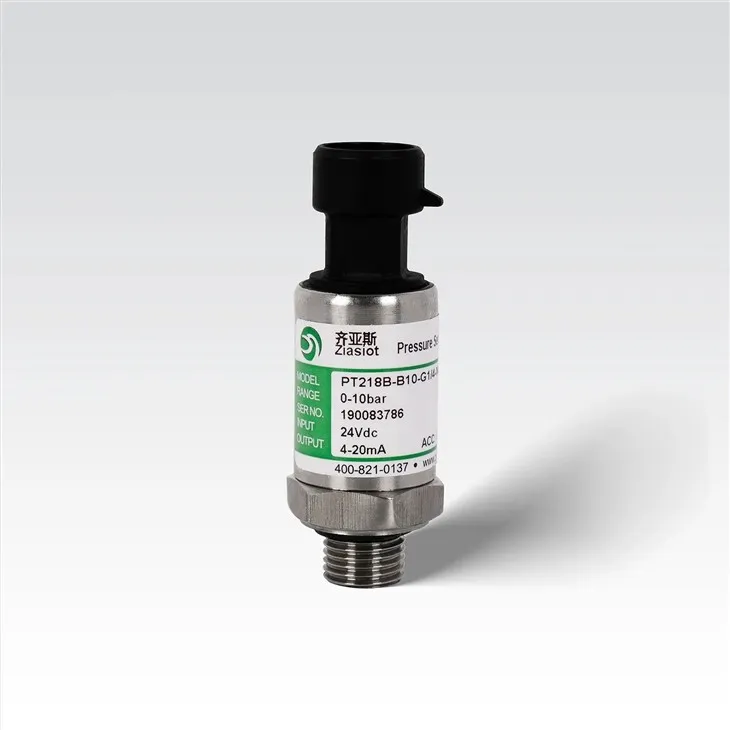
Ceramic pressure transmitters are devices that measure pressure by detecting the deformation of a ceramic diaphragm. When pressure is applied to the diaphragm, it deflects, and this deflection is converted into an electrical signal proportional to the pressure. The ceramic material used in these transmitters offers several advantages, including high mechanical strength, excellent chemical resistance, and good thermal stability.
There are different types of ceramic pressure transmitters available in the market, each designed to meet specific application requirements. For instance, the Anti-Crossive Pressure Transmitter is engineered to minimize cross-sensitivity to other physical parameters, ensuring accurate pressure measurements even in challenging environments. The Refrigeration Pressure Transmitter is specifically designed for use in refrigeration systems, where it can withstand the harsh conditions and provide reliable pressure monitoring. And the Standard Ceramic Pressure Transmitter offers a cost - effective solution for general industrial pressure measurement applications.
Advantages of Ceramic Pressure Transmitters in Industrial Automation
High Accuracy and Precision
Accuracy is of utmost importance in industrial automation. Ceramic pressure transmitters are capable of providing highly accurate pressure measurements. The ceramic diaphragm has a linear response to pressure changes, which allows for precise calibration and consistent performance over a wide range of pressures. This accuracy is essential for processes that require tight control, such as in chemical manufacturing, where the correct pressure can determine the quality and safety of the final product.
Chemical Resistance
Industrial environments often expose sensors to a variety of chemicals. Ceramic materials are highly resistant to corrosion and chemical attack. This makes ceramic pressure transmitters suitable for use in industries such as petrochemicals, where they may come into contact with aggressive substances like acids, alkalis, and solvents. The chemical resistance of ceramic ensures the long - term reliability of the transmitter, reducing the need for frequent replacements and maintenance.
Wide Temperature Range
Industrial processes can operate at extreme temperatures. Ceramic pressure transmitters can withstand a wide temperature range without significant loss of performance. They have good thermal stability, which means that the pressure measurements are not affected by temperature fluctuations. This is particularly important in applications such as metal processing, where high temperatures are common, or in cold storage facilities where low temperatures prevail.
Fast Response Time
In industrial automation, real - time data is crucial for making quick decisions. Ceramic pressure transmitters have a fast response time, allowing them to detect pressure changes rapidly. This is beneficial in applications such as hydraulic systems, where sudden pressure variations need to be monitored and controlled immediately to prevent equipment damage.

Cost - Effectiveness
Compared to some other types of pressure transmitters, ceramic pressure transmitters offer a cost - effective solution. They have a relatively long lifespan due to their robust construction and resistance to environmental factors. This reduces the overall cost of ownership, as there are fewer replacement and maintenance costs over time.
Applications of Ceramic Pressure Transmitters in Industrial Automation
Process Control
In industrial processes, maintaining the correct pressure is essential for product quality and process efficiency. Ceramic pressure transmitters are widely used in process control systems to monitor and regulate pressure in pipelines, reactors, and other equipment. For example, in the food and beverage industry, they can be used to control the pressure in bottling lines to ensure consistent filling levels.
Hydraulic and Pneumatic Systems
Hydraulic and pneumatic systems rely on precise pressure control. Ceramic pressure transmitters are used to monitor the pressure in these systems, ensuring that the equipment operates within safe and efficient limits. They can detect leaks, blockages, or abnormal pressure variations, allowing for timely maintenance and preventing system failures.
HVAC Systems
Heating, ventilation, and air - conditioning (HVAC) systems require accurate pressure measurements to maintain proper airflow and temperature control. Ceramic pressure transmitters can be used to monitor the pressure in ducts, filters, and refrigerant lines. This helps in optimizing the performance of the HVAC system, reducing energy consumption, and ensuring a comfortable indoor environment.
Water Treatment
In water treatment plants, ceramic pressure transmitters play a vital role in monitoring the pressure in pipes, pumps, and filtration systems. They help in detecting blockages, leaks, and changes in water flow, ensuring the efficient operation of the treatment process and the quality of the treated water.
Challenges and Considerations
While ceramic pressure transmitters offer many advantages, there are also some challenges and considerations to keep in mind. One of the main challenges is the potential for mechanical damage to the ceramic diaphragm. Although ceramic is a strong material, it can be brittle, and excessive pressure or physical impact can cause the diaphragm to crack or break. Therefore, proper installation and protection are necessary to prevent such damage.
Another consideration is the calibration of the transmitter. Over time, the performance of the transmitter may drift, and regular calibration is required to ensure accurate measurements. This requires trained personnel and appropriate calibration equipment.
Conclusion
In conclusion, ceramic pressure transmitters are well - suited for use in industrial automation. Their high accuracy, chemical resistance, wide temperature range, fast response time, and cost - effectiveness make them an ideal choice for a variety of industrial applications. Whether it is process control, hydraulic and pneumatic systems, HVAC, or water treatment, ceramic pressure transmitters can provide reliable and accurate pressure measurements.
If you are looking for a high - quality ceramic pressure transmitter for your industrial automation needs, we are here to help. Our range of products, including the Anti-Crossive Pressure Transmitter, Refrigeration Pressure Transmitter, and Standard Ceramic Pressure Transmitter, is designed to meet the diverse requirements of industrial customers. Contact us to discuss your specific needs and start a procurement negotiation.
References
- "Industrial Pressure Sensors: Principles, Design, and Applications" by John Doe
- "Ceramic Materials for Sensor Applications" by Jane Smith
- Various industry whitepapers on pressure measurement in industrial automation.