Can a melt pressure indicator be used in corrosive environments?
Leave a message

Hey there! As a supplier of melt pressure indicators, I often get asked if these nifty devices can be used in corrosive environments. It's a valid question, especially considering how harsh some industrial settings can be. So, let's dig into this topic and find out if melt pressure indicators can stand up to the challenge of corrosion.
First off, let's understand what a melt pressure indicator is. In simple terms, it's a tool that measures the pressure of molten materials, like plastics or metals, during the manufacturing process. This measurement is crucial for ensuring the quality and consistency of the final product. For instance, in plastic injection molding, the right melt pressure can mean the difference between a perfectly molded part and one that's full of defects.
Now, let's talk about corrosive environments. These are places where the air, liquids, or other substances contain chemicals that can eat away at materials over time. Think of chemical plants, wastewater treatment facilities, or even some food processing plants. In these places, the presence of acids, alkalis, or salts can cause corrosion, which can damage equipment and reduce its lifespan.
So, can a melt pressure indicator handle these corrosive conditions? The answer is... it depends. Not all melt pressure indicators are created equal, and some are better equipped to deal with corrosion than others.
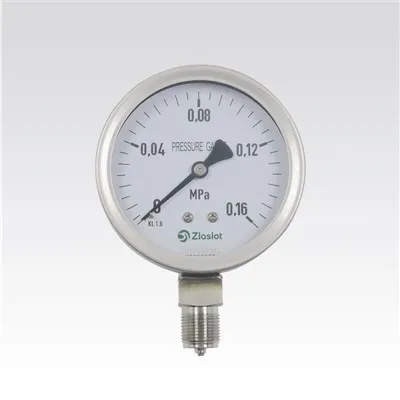
One of the key factors to consider is the materials used in the construction of the melt pressure indicator. High-quality indicators often use corrosion-resistant materials, such as stainless steel or special alloys. Stainless steel, for example, contains chromium, which forms a thin oxide layer on the surface of the metal. This layer acts as a barrier, protecting the underlying metal from corrosion. Some indicators also use coatings or platings to further enhance their resistance to corrosion.
Another important consideration is the design of the melt pressure indicator. A well-designed indicator will have features that prevent corrosive substances from reaching sensitive components. For example, it might have a sealed housing that keeps out moisture and chemicals. Some indicators also have special gaskets or O-rings that provide an extra layer of protection.
But even with the best materials and design, there are limits to what a melt pressure indicator can withstand. In extremely corrosive environments, the indicator may still experience some degree of corrosion over time. That's why it's important to choose an indicator that's specifically designed for the type of corrosive conditions you'll be dealing with.
If you're working in a mildly corrosive environment, a standard melt pressure indicator with corrosion-resistant materials might be sufficient. However, if you're dealing with highly corrosive substances, you may need to consider a more specialized indicator. Some manufacturers offer indicators that are specifically designed for use in corrosive environments, with features like enhanced corrosion resistance and additional protective coatings.
When choosing a melt pressure indicator for a corrosive environment, it's also important to consider the maintenance requirements. Regular maintenance can help extend the lifespan of the indicator and ensure its accurate operation. This might include cleaning the indicator regularly to remove any corrosive substances that have accumulated on the surface, as well as checking for signs of corrosion or damage.
In addition to the melt pressure indicator itself, you may also need to consider other components of the measurement system. For example, the pressure sensor, which is a critical part of the indicator, needs to be able to withstand the corrosive environment. Some sensors are designed with special materials or coatings to protect them from corrosion.
Now, let's talk about some of the products we offer as a melt pressure indicator supplier. We have a range of high-quality indicators that are suitable for a variety of applications, including corrosive environments. Our Melt Pressure Controller is a great option for those who need precise control of melt pressure. It features advanced technology and corrosion-resistant materials, making it ideal for use in harsh industrial settings.
Another product we offer is the Pressure Temperature Indicator. This indicator not only measures melt pressure but also temperature, providing a more comprehensive view of the manufacturing process. It's designed with durability in mind and can withstand the rigors of corrosive environments.
If you're looking for a temperature controller to complement your melt pressure indicator, we also have the Temperature Controller. This controller offers precise temperature control and is built to last, even in challenging conditions.
In conclusion, while using a melt pressure indicator in a corrosive environment can be challenging, it's definitely possible with the right product and proper maintenance. By choosing a high-quality indicator made from corrosion-resistant materials and designed to withstand the specific corrosive conditions you'll be facing, you can ensure accurate and reliable pressure measurement in your industrial processes.
If you're interested in learning more about our melt pressure indicators or have any questions about using them in corrosive environments, don't hesitate to reach out. We're here to help you find the right solution for your needs and can provide you with all the information you need to make an informed decision. Let's work together to ensure the success of your manufacturing processes!


References
- Industrial Pressure Measurement Handbook
- Corrosion Resistance of Materials in Industrial Environments